Living with food allergies doesn’t mean sacrificing flavor or breaking the bank. With smart planning and strategic shopping, you can create delicious, safe meals that everyone will love.

The key to success lies in building a well-organized shopping list that balances nutrition, taste, and affordability. Whether you’re managing gluten intolerance, dairy allergies, nut sensitivities, or multiple dietary restrictions, this comprehensive guide will transform your grocery shopping experience and help you prepare amazing allergy-friendly meals without overspending.
🛒 Understanding Your Allergy-Friendly Shopping Foundation
Before diving into your shopping list, it’s essential to understand which ingredients work best for your specific allergies. The foundation of budget-friendly allergy-friendly cooking starts with recognizing versatile, naturally allergen-free ingredients that can be used across multiple recipes.
Most whole foods are naturally free from common allergens and cost significantly less than processed alternatives. Fresh vegetables, fruits, rice, beans, and certain proteins form the backbone of an affordable allergy-friendly kitchen. These ingredients not only provide nutritional value but also offer incredible flexibility in meal preparation.
Identifying Your Specific Needs
Start by creating a clear list of allergens you need to avoid. Common food allergies include dairy, eggs, wheat, soy, tree nuts, peanuts, fish, and shellfish. Understanding cross-contamination risks and reading labels carefully becomes second nature when shopping with allergies in mind.
Many budget-conscious shoppers make the mistake of immediately reaching for specialty “free-from” products without exploring naturally allergen-free options. While these specialty items have their place, building your shopping list around whole foods dramatically reduces costs while maintaining safety and nutritional quality.
💰 Budget-Smart Staples for Your Allergy-Friendly Pantry
Your pantry should be stocked with versatile ingredients that serve multiple purposes. These foundational items allow you to create countless meal combinations without repeatedly buying single-use products.
Grains and Starches That Stretch Your Dollar
Rice stands as one of the most budget-friendly and allergy-safe staples available. Brown rice, white rice, jasmine, and basmati varieties offer different textures and flavors at minimal cost. Buying in bulk significantly reduces the per-serving price, and rice stores well for extended periods.
Potatoes and sweet potatoes provide excellent nutritional value and versatility. These humble vegetables can be baked, mashed, roasted, or turned into fries, offering comfort food appeal without common allergens. Purchase them loose rather than pre-bagged for better value and quality control.
Oats (certified gluten-free if needed) offer another economical option for breakfast and baking. Steel-cut oats, rolled oats, and quick oats can be purchased in bulk and used for everything from morning porridge to homemade granola bars and cookie bases.
Protein Sources That Won’t Break the Bank
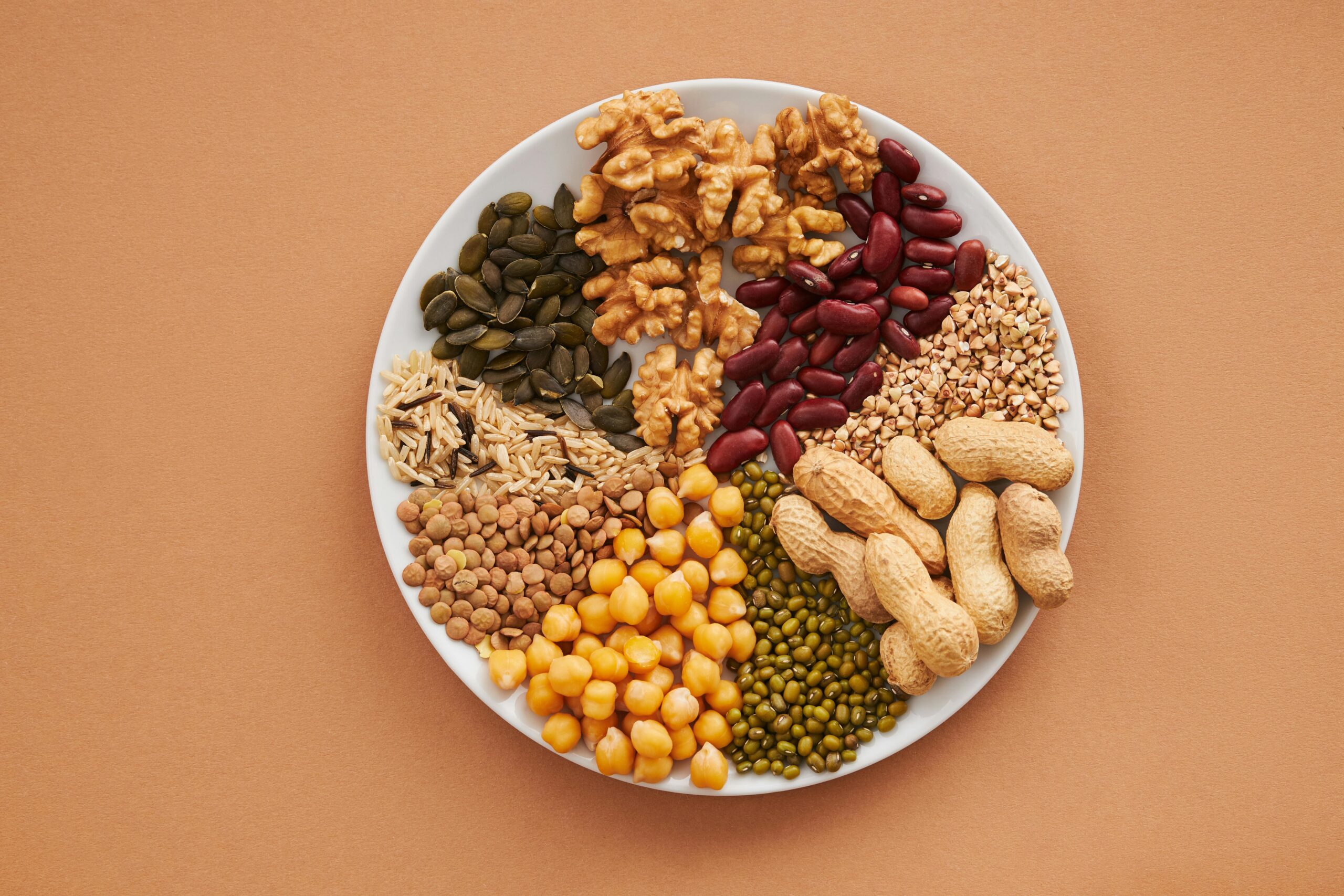
Beans and lentils rank among the most affordable protein sources available. Dried varieties cost significantly less than canned options and can be prepared in large batches for use throughout the week. Black beans, chickpeas, kidney beans, and lentils provide excellent protein, fiber, and versatility.
Chicken remains one of the most economical meat options. Buying whole chickens and breaking them down yourself maximizes value, or purchase bone-in, skin-on pieces during sales. The bones can be used for homemade stock, extracting every bit of value from your purchase.
Ground turkey and ground beef can be stretched with vegetables and grains in recipes like tacos, meat sauces, and casseroles. Watch for sales and freeze portions for later use to take advantage of discount pricing.
Eggs (for those without egg allergies) remain an incredibly affordable protein source with remarkable versatility. Even organic, free-range eggs typically cost less per serving than most meat options.
🥬 Fresh Produce: Seasonal Shopping Strategies
Fresh fruits and vegetables provide essential nutrients while remaining naturally free from most common allergens. The secret to budget-friendly produce shopping lies in understanding seasonal availability and strategic purchasing.
Seasonal Vegetables for Maximum Value
Buying vegetables in season dramatically reduces costs while ensuring peak flavor and nutritional content. Winter squashes, cabbage, and root vegetables dominate cold months at lower prices. Summer brings abundant tomatoes, zucchini, peppers, and cucumbers at bargain rates.
Frozen vegetables offer excellent value and convenience without sacrificing nutrition. Flash-frozen at peak ripeness, these options eliminate waste and provide consistent pricing year-round. Stock up during sales for the best value.
Don’t overlook less popular vegetables like cabbage, turnips, and collard greens. These nutrient-dense options typically cost significantly less than trendy vegetables while offering outstanding versatility and health benefits.
Fruit Selection on a Budget
Bananas consistently rank as one of the most affordable fruits available. They provide natural sweetness, potassium, and energy while serving as excellent snacks or smoothie ingredients. Buy slightly green bananas to extend freshness.
Apples and oranges offer reliable, budget-friendly options with long shelf lives. Purchase in-season varieties for the best pricing, and consider buying “ugly” or smaller fruits when available at discount prices.
Frozen fruit provides excellent value for smoothies, baking, and breakfast toppings. Berry blends, mango chunks, and mixed fruit varieties cost significantly less frozen than fresh, especially outside peak season.
🥛 Dairy-Free Alternatives That Make Sense
For those avoiding dairy, selecting budget-friendly alternatives requires strategic thinking. While specialty milk alternatives can be expensive, several options provide both value and versatility.
Making your own plant-based milk offers the most economical solution. Oat milk can be prepared at home for pennies per serving using rolled oats and water. The process takes minutes and eliminates packaging waste while dramatically reducing costs.
When purchasing ready-made alternatives, compare unit prices carefully. Store brands typically offer identical quality to name brands at lower prices. Watch for sales and stock up on shelf-stable options when prices drop.
Coconut milk (canned, full-fat) provides excellent cooking versatility for curries, soups, and baking. The concentrated nature means a little goes far, and it stores well in the pantry until needed.
🍳 Cooking Oils and Condiments Worth the Investment
Quality cooking oils and basic condiments form the flavor foundation of allergy-friendly cooking. While some options require upfront investment, their versatility justifies the cost.
Essential Oils for Your Kitchen
Olive oil serves multiple purposes from cooking to salad dressings. Buy larger bottles for better value, and don’t feel pressured to purchase expensive extra virgin varieties for everyday cooking—save those for finishing dishes.
Coconut oil provides excellent high-heat cooking properties and works beautifully in baking as a butter substitute. Refined versions offer neutral flavor at lower prices than virgin coconut oil.
Vegetable or canola oil offer budget-friendly neutral options for frying and baking. These versatile oils handle high temperatures well and won’t overpower delicate flavors.
Flavor Builders That Transform Simple Ingredients
Investing in basic spices and seasonings multiplies your culinary possibilities. Garlic powder, onion powder, paprika, cumin, oregano, basil, and black pepper transform simple ingredients into exciting meals.
Salt remains your most important seasoning. Kosher salt or sea salt provide better value and flavor than table salt. Proper seasoning makes budget-friendly ingredients taste restaurant-quality.
Vinegars add brightness and depth to dishes. Apple cider vinegar and white vinegar offer versatility for cooking, dressings, and marinades at minimal cost.
📝 Building Your Weekly Shopping List Template
Organization is key to budget-friendly allergy-conscious shopping. Creating a structured shopping list prevents impulse purchases while ensuring you have everything needed for your planned meals.
The Strategic Shopping List Framework
Organize your list by store sections to maximize efficiency and reduce the temptation of unplanned purchases. Group items into categories: produce, proteins, pantry staples, frozen foods, and miscellaneous items.
Before shopping, inventory your pantry, refrigerator, and freezer. This simple step prevents duplicate purchases and helps you identify what truly needs replenishing. Many budget-busting purchases happen when we forget what’s already at home.
Plan meals around sale items and seasonal produce. Check store flyers before creating your shopping list, then build your weekly menu around discounted proteins and on-sale produce.
Sample Weekly Budget-Friendly Allergy-Friendly Shopping List
- Proteins: Whole chicken or chicken thighs, dried beans (2 varieties), eggs (if tolerated)
- Grains/Starches: Rice (brown or white), potatoes, gluten-free oats
- Vegetables: Onions, carrots, celery, seasonal greens, frozen mixed vegetables, cabbage
- Fruits: Bananas, seasonal fruit (2-3 types), frozen berries
- Pantry: Canned tomatoes, olive oil, coconut milk, vinegar, spices as needed
- Dairy alternatives: Oats for homemade milk or store-bought alternative on sale
🍲 Meal Planning Magic for Maximum Savings
The most powerful tool for budget-friendly allergy-friendly eating isn’t a fancy ingredient—it’s a solid meal plan. Planning weekly menus prevents food waste, reduces stress, and ensures you always have safe, delicious meals ready.
The Batch Cooking Advantage
Preparing components in advance transforms budget ingredients into quick, convenient meals. Cook a large batch of rice, roast multiple trays of vegetables, and prepare proteins that work across multiple dishes.
One whole chicken provides several meals when used strategically. Roast the chicken for dinner, use leftovers for tacos or salads, then simmer the carcass for homemade broth. This approach extracts maximum value from a single purchase.
Dried beans cooked in bulk cost pennies per serving. Prepare several cups at once, portion into containers, and freeze for use in various meals throughout the month.
Mix-and-Match Meal Components
Creating interchangeable meal components provides variety without requiring extensive ingredient lists. Grilled chicken works in salads, grain bowls, tacos, and stir-fries. Roasted vegetables complement nearly any protein and grain combination.
This modular approach prevents menu fatigue while minimizing shopping needs. Five base components can create fifteen different meals when combined creatively with different seasonings and preparations.
💡 Smart Shopping Habits That Reduce Costs
Beyond choosing the right ingredients, developing smart shopping habits significantly impacts your budget without compromising safety or quality.
Timing Your Shopping Trips
Shop during off-peak hours when stores often discount perishables approaching their sell-by dates. Many grocers mark down meat, produce, and bakery items in early morning or late evening. These items remain perfectly safe for immediate use or freezing.
Avoid shopping when hungry or rushed. Both conditions lead to impulse purchases and poor decisions that inflate costs while potentially introducing unsafe foods.
Store Selection and Loyalty Programs
Compare prices between different store types. Warehouse clubs offer excellent value on shelf-stable items and frozen goods. Ethnic markets often provide outstanding prices on produce, rice, and spices. Discount grocers stock quality products at lower prices than traditional supermarkets.
Utilize store loyalty programs and digital coupons without letting them dictate purchases. Take advantage of rewards on items you regularly buy, but don’t purchase unnecessary products just because they’re on sale.
🔍 Reading Labels Like a Pro
When dealing with food allergies, label reading becomes non-negotiable. Understanding ingredient lists and allergen statements protects your health while helping identify budget-friendly options.
Shorter ingredient lists typically indicate simpler, less processed foods that often cost less and pose fewer risks for hidden allergens. Whole foods require no label reading at all—the ultimate in simplicity and safety.
Familiarize yourself with alternative names for common allergens. Casein, whey, and lactose indicate dairy presence. Albumin and lysozyme signal egg content. This knowledge helps you quickly scan labels and make informed decisions.
🎯 Avoiding Common Budget Traps
Several pitfalls threaten even the most dedicated budget-conscious allergy-friendly shopper. Recognizing these traps helps you maintain both safety and savings.
The “Free-From” Premium
Products marketed as “gluten-free,” “dairy-free,” or “allergy-friendly” often carry significant price premiums. While these items serve important purposes, building your diet around naturally allergen-free whole foods provides better value.
When specialty products are necessary, compare prices across brands and stores. Generic versions often match quality at lower prices. Consider whether you could make similar items at home for less.
Convenience vs. Value
Pre-cut vegetables, pre-seasoned proteins, and prepared meal components offer convenience at premium prices. Spending a few extra minutes on basic prep work saves substantial money while ensuring you control exactly what goes into your food.
That said, some convenience items justify their cost when they prevent food waste or enable you to actually cook rather than ordering takeout. Balance time, energy, and money based on your specific circumstances.
🌟 Creative Recipes Using Budget Staples
Having the right ingredients means little without knowing how to transform them into delicious meals. These recipe concepts showcase how budget staples create satisfying, allergy-friendly dishes.
One-Pot Wonder Meals
Rice and beans combined with sautéed vegetables and spices create countless variations from Mexican-inspired bowls to Caribbean-style dishes to Asian-fusion meals. Change the seasonings, and you completely transform the dish using identical base ingredients.
Chicken and vegetable soup utilizing homemade broth, leftover chicken, seasonal vegetables, and rice provides comfort food nutrition at minimal cost. Make large batches and freeze portions for quick future meals.
Sheet Pan Simplicity
Roast chicken pieces alongside potatoes and seasonal vegetables on a single pan for easy cleanup and minimal effort. Vary the seasonings—Italian herbs one night, curry spices another, Mexican-inspired the next—for completely different flavor profiles.

✨ Your Allergy-Friendly Shopping Success Strategy
Building budget-friendly, allergy-safe shopping habits creates lasting benefits beyond immediate savings. You develop confidence in your food choices, reduce stress around meals, and prove that dietary restrictions don’t require financial sacrifice.
Start with small changes rather than overhauling everything at once. Implement one or two strategies from this guide, master them, then add more techniques. Progress builds momentum, and soon these habits become second nature.
Remember that occasional splurges on specialty items fit within a budget-conscious approach. Treating yourself to that special allergen-free bread or premium dairy alternative becomes truly special rather than expected when you build your regular meals around affordable whole foods.
Your shopping list evolves as you discover new ingredients, favorite recipes, and money-saving techniques. Stay flexible, keep learning, and celebrate the delicious meals you create while maintaining both health and financial wellness. With smart planning and strategic shopping, allergy-friendly eating becomes not just manageable but genuinely enjoyable and sustainable for the long term. 🛍️