Being a student doesn’t mean sacrificing good nutrition or breaking the bank at the grocery store. With smart planning and strategic shopping habits, you can eat well while staying within your budget constraints.

College life brings countless challenges, and managing food expenses ranks among the most pressing concerns for students worldwide. Whether you’re living in a dorm with limited cooking facilities, sharing an apartment with roommates, or navigating independent living for the first time, mastering the art of grocery shopping becomes an essential life skill that extends far beyond your academic years.
The key to successful student grocery shopping lies not just in finding the cheapest options, but in creating a sustainable system that balances nutrition, variety, cost-effectiveness, and your personal lifestyle. This comprehensive guide will walk you through everything you need to know about building the perfect grocery list tailored to your specific budget level, ensuring you never have to choose between eating well and paying rent.
Understanding Your Budget Category 💰
Before diving into specific grocery lists, it’s crucial to identify which budget category you fall into. Most students fit into one of three main groups: tight budget ($25-40 per week), moderate budget ($40-65 per week), or comfortable budget ($65-100+ per week). Your category determines not just what you buy, but how you approach meal planning and shopping strategies.
Calculate your weekly food budget by examining your total income sources—including financial aid, part-time work, family contributions, and savings—then subtracting fixed expenses like rent, utilities, transportation, and textbooks. Whatever remains should be allocated between food, entertainment, and emergency funds, with food typically receiving the largest portion of this discretionary spending.
The Essential Foundation: Items Every Student Needs
Regardless of your budget level, certain staple items form the foundation of any functional student kitchen. These versatile ingredients offer maximum flexibility for creating various meals while providing excellent nutritional value per dollar spent.
Pantry Powerhouses 🥫
Rice stands as perhaps the most economical staple available, with a single bag providing dozens of servings at minimal cost. Both white and brown rice work excellently, though brown rice offers superior nutritional benefits with additional fiber and nutrients. Pasta represents another budget-friendly carbohydrate source that stores indefinitely and pairs with countless sauce combinations.
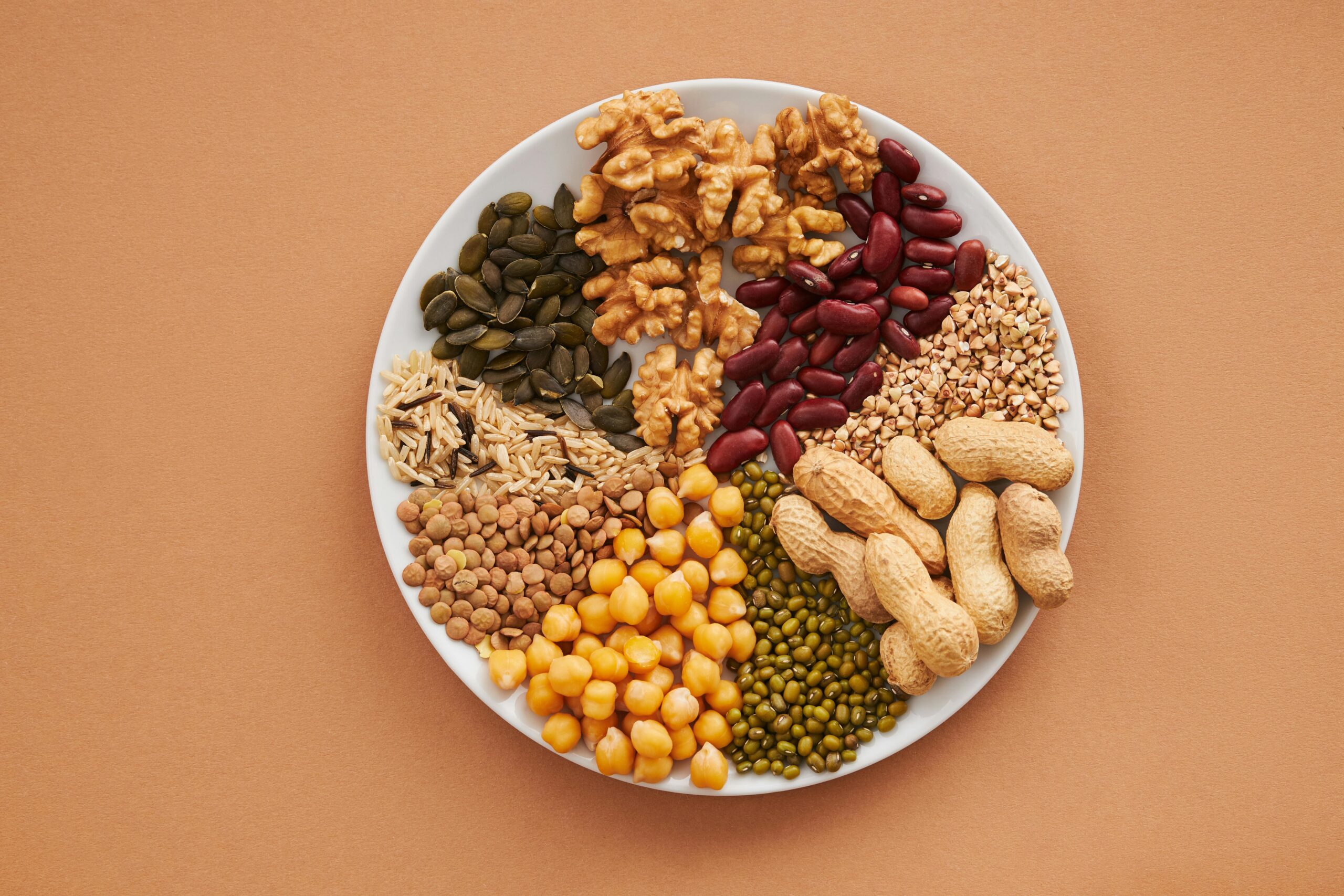
Dried beans and lentils deserve special attention for their exceptional protein content, long shelf life, and incredible affordability. Red lentils cook quickly without soaking, making them perfect for time-crunched students, while black beans, chickpeas, and kidney beans require planning but deliver satisfying, protein-rich meals.
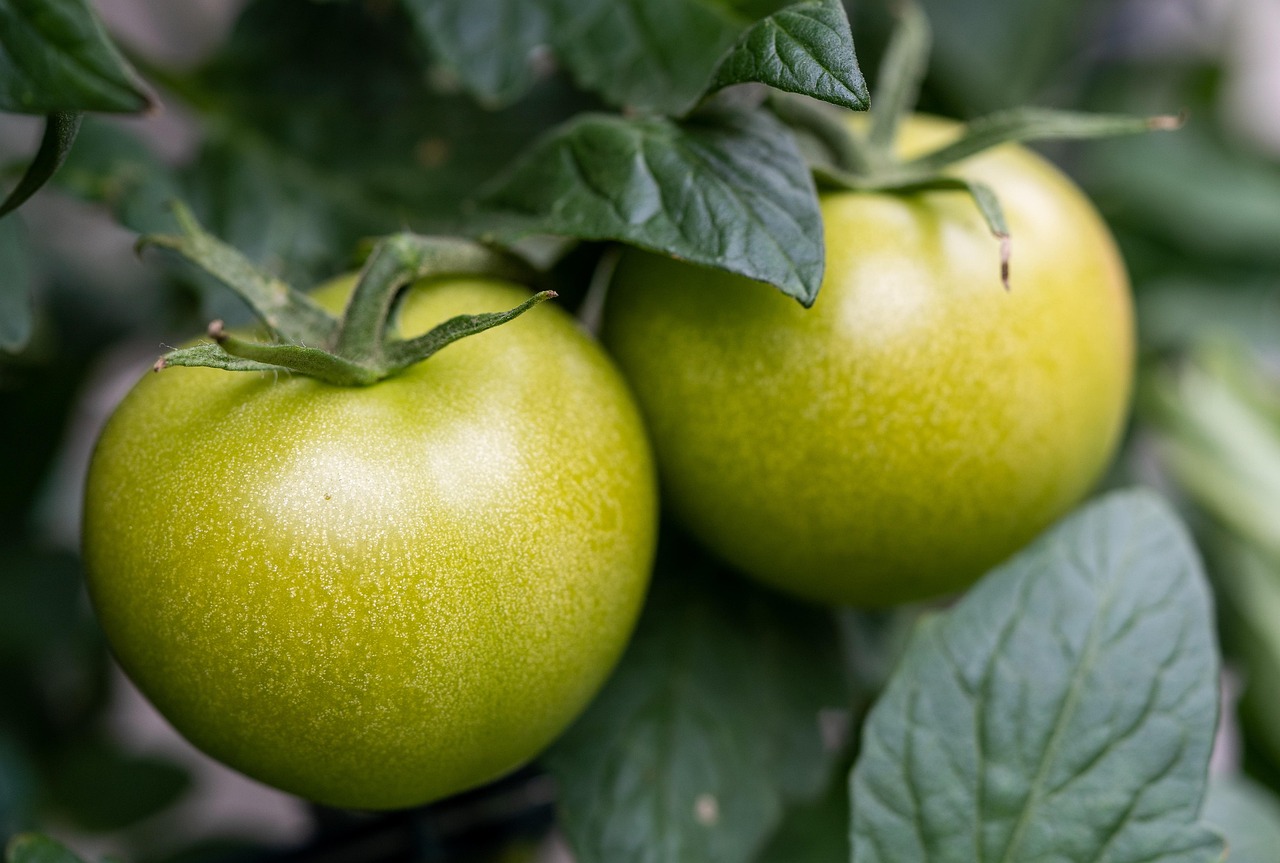
Canned tomatoes transform simple ingredients into flavorful dishes, whether you’re making pasta sauce, soup, chili, or curry. Oats provide an inexpensive breakfast solution that can be prepared in minutes or overnight, offering sustained energy throughout morning classes.
Fresh Produce Strategies 🥕
Fresh fruits and vegetables often intimidate budget-conscious students due to their perishability and fluctuating prices, but strategic selection makes healthy eating affordable. Focus on seasonal produce, which typically costs less and tastes better than out-of-season alternatives shipped from distant locations.
Carrots, onions, potatoes, cabbage, and apples represent some of the longest-lasting fresh produce options, often remaining usable for weeks when stored properly. Bananas provide quick energy and essential potassium at rock-bottom prices, while frozen vegetables offer nutritional value comparable to fresh produce without the pressure of immediate consumption.
The Tight Budget Grocery List ($25-40/week)
Operating on a minimal budget requires maximum creativity and planning, but it absolutely doesn’t mean surviving on ramen alone. This budget level demands strategic shopping, minimal waste, and focus on nutrient-dense, filling foods that stretch every dollar.
Weekly Shopping Essentials
Start with bulk rice or pasta as your primary carbohydrate source—a large bag purchased monthly rather than weekly saves money long-term. Add dried beans or lentils for protein, purchasing different varieties over subsequent weeks to maintain variety. One dozen eggs provides versatile, high-quality protein for multiple meals throughout the week.
Purchase one or two types of seasonal vegetables, focusing on hardy options like carrots, cabbage, or potatoes that won’t spoil quickly. A jar of peanut butter delivers protein, healthy fats, and satisfying calories at minimal cost. Oats for breakfast and a loaf of bread for sandwiches round out the essentials.
Generic or store-brand products typically offer identical quality to name brands at significantly reduced prices. Many stores also offer “ugly” produce programs featuring cosmetically imperfect but perfectly nutritious fruits and vegetables at steep discounts.
Meal Planning on a Shoestring
Success at this budget level requires eating similar base meals with minor variations throughout the week. Prepare a large batch of rice and beans that serves as lunch or dinner for multiple days, changing the flavor profile with different spices or hot sauce. Oatmeal with banana slices provides consistent, filling breakfasts.
Eggs work for any meal—scrambled for breakfast, hard-boiled as protein-packed snacks, or fried atop rice bowls for dinner. Peanut butter sandwiches remain affordable, portable lunch options. One-pot meals minimize both ingredient costs and dishwashing efforts, crucial when time and money are limited.
The Moderate Budget Grocery List ($40-65/week) 🛒
This mid-range budget allows significantly more variety, better quality proteins, fresh produce diversity, and occasional treats without financial stress. You can begin exploring cooking techniques and flavors while building a more robust pantry.
Expanded Protein Options
Beyond eggs and legumes, moderate budgets accommodate chicken thighs or drumsticks—typically much cheaper than breast meat while offering more flavor and forgiving cooking properties. Ground turkey or ground beef on sale provides versatility for tacos, pasta sauce, or rice bowls. Canned tuna or salmon adds omega-3 fatty acids and convenient protein sources.
Greek yogurt enters the picture as both a protein-rich breakfast option and versatile cooking ingredient for marinades, smoothies, or healthier sauce alternatives. Cheese in moderate quantities enhances meals without dominating the budget.
Fresh Produce Variety
This budget supports 4-6 different fresh vegetables and 2-3 fruit types weekly. Include leafy greens like spinach or lettuce for salads, bell peppers for stir-fries, and tomatoes for sandwiches and cooking. Seasonal fruits provide natural desserts and snacks that satisfy sweet cravings nutritiously.
Frozen vegetables supplement fresh produce, offering convenience for busy weeks while preventing waste. Bags of frozen broccoli, mixed vegetables, or stir-fry blends provide quick side dishes or meal components.
Pantry Enhancement 🌶️
Building a spice collection transforms repetitive ingredients into diverse meals. Invest gradually in versatile spices like garlic powder, cumin, paprika, Italian seasoning, and chili powder. Each bottle lasts months, effectively costing pennies per meal while dramatically improving flavor.
Cooking oils, vinegar, soy sauce, and hot sauce become affordable at this level, expanding your culinary capabilities. These condiments and flavor enhancers make the difference between bland sustenance and genuinely enjoyable meals.
The Comfortable Budget Grocery List ($65-100+/week)
A comfortable budget eliminates most dietary restrictions based on cost, allowing focus on nutrition quality, culinary exploration, convenience items, and lifestyle preferences like organic or specialty products.
Premium Protein Choices 🥩
Chicken breasts, salmon fillets, quality ground beef, pork chops, and occasional steak become accessible. You can choose proteins based on nutritional goals or recipe requirements rather than purely cost considerations. Plant-based meat alternatives also fit comfortably within this budget for students exploring vegetarian or vegan options.
Organic and Specialty Items
This budget accommodates organic produce priorities, particularly for items where pesticide exposure concerns are highest—berries, leafy greens, and apples. Specialty items like avocados, hummus, almond milk, quinoa, and fresh herbs enhance both nutrition and culinary satisfaction.
Pre-cut vegetables and pre-washed salad mixes offer time-saving convenience that becomes valuable during exam periods or particularly demanding weeks. Ready-made sauces, marinades, and meal kits can supplement home cooking without guilt.
Nutritional Supplements and Treats
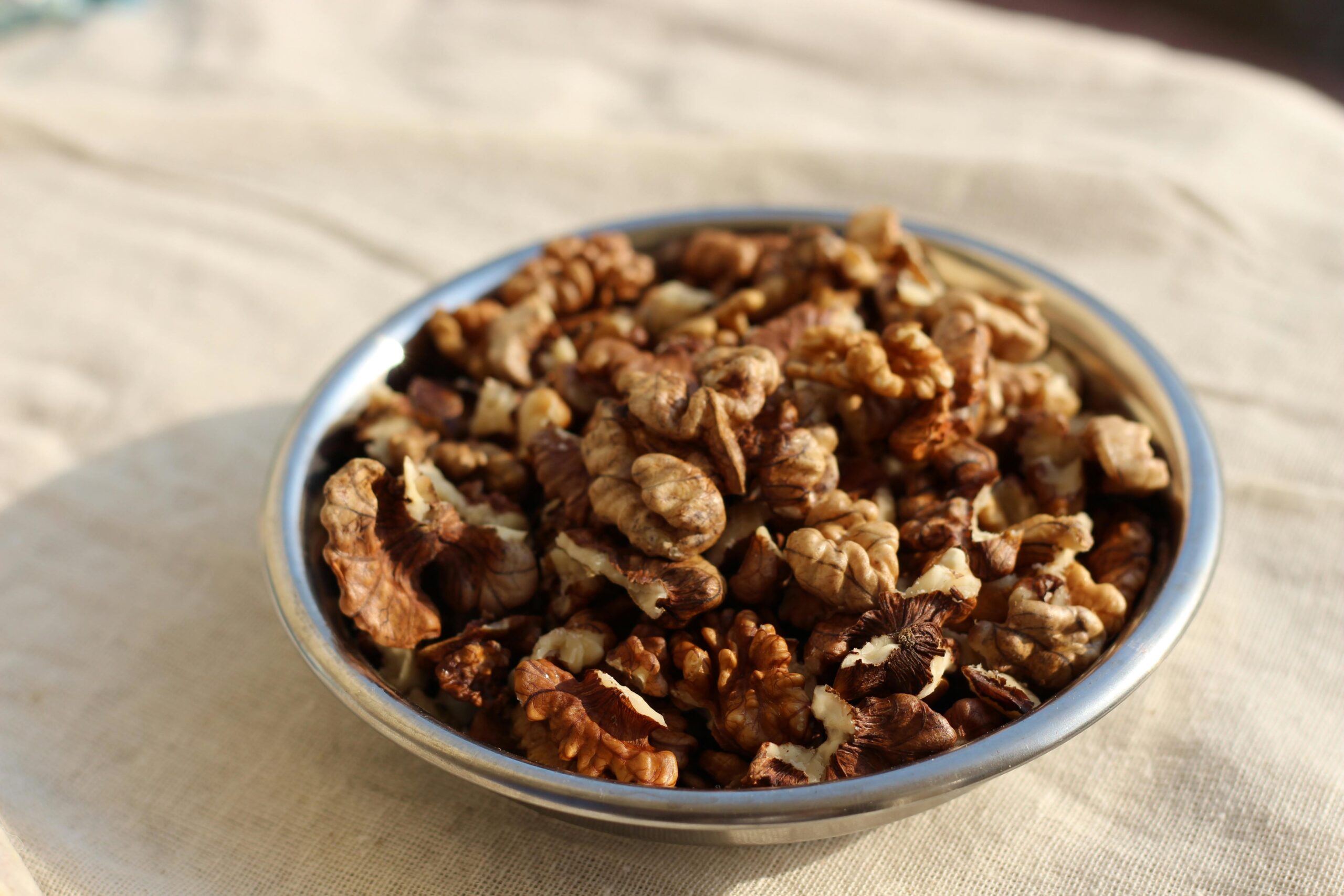
Protein powder, vitamins, or specific nutritional supplements fit within comfortable budgets for students prioritizing fitness or specific health goals. Regular inclusion of fresh berries, nuts, quality snack foods, and occasional restaurant-style ingredients like feta cheese or specialty olives makes eating feel less restrictive.
Smart Shopping Strategies Across All Budgets 📱
Regardless of your budget category, implementing smart shopping strategies maximizes every dollar spent and minimizes food waste, the hidden budget killer affecting most students.
Timing and Location Matter
Shopping at the right time yields significant savings. Many stores reduce prices on meat, dairy, and bakery items approaching expiration dates—perfectly safe food at 30-50% discounts. Evening shopping often catches these markdowns, while early morning shopping provides best selection of fresh produce.
Compare prices across different store types in your area. Discount chains, ethnic markets, and warehouse stores often dramatically undercut traditional supermarkets on staples. Farmer’s markets near closing time sometimes offer bulk deals on remaining produce.
Technology as Your Shopping Assistant
Numerous apps help students shop smarter by comparing prices, finding deals, and tracking spending. Flipp aggregates weekly sales flyers from multiple stores, allowing price comparison before leaving home. Ibotta and Fetch Rewards offer cashback on grocery purchases through simple receipt scanning.
Store-specific apps from major chains provide digital coupons, personalized deals, and loyalty rewards that add up over time. Many offer exclusive app-only discounts or early access to sales.
Meal Prep: The Ultimate Budget Protector 🍱
Dedicating 2-3 hours weekly to meal preparation prevents expensive convenience food purchases driven by hunger and time pressure. Cook large batches of versatile base components—grilled chicken, roasted vegetables, cooked grains—then mix and match throughout the week.
Proper food storage extends ingredient life dramatically. Invest in quality containers that seal well, learn which produce items should be refrigerated versus countertop storage, and embrace freezer cooking for items you can’t consume before spoiling.
Avoiding Common Student Shopping Mistakes ⚠️
Even well-intentioned students fall into predictable traps that drain budgets unnecessarily. Shopping while hungry leads to impulse purchases of expensive convenience foods and snacks that wouldn’t make the list otherwise. Always eat before grocery shopping or bring a snack to maintain rational decision-making.
Buying in bulk seems economical but backfires when food spoils before consumption. Purchase bulk quantities only for non-perishables or items you genuinely consume regularly. That giant container of spinach costs more than smaller portions if half rots unused.
Ignoring unit prices causes missed savings opportunities. The larger package doesn’t always offer better value—compare price per ounce or pound rather than total package price. Store brands frequently match name-brand quality at 20-40% lower costs.
Building Long-Term Grocery Shopping Skills 🎓
The grocery shopping skills you develop during student years establish patterns affecting your financial health for decades. Learning to meal plan, comparison shop, cook from basic ingredients, and minimize waste creates foundations for lifelong financial wellness.
Track your spending for several weeks to identify patterns. Many students discover they spend shocking amounts on coffee, energy drinks, or convenience snacks—awareness creates change opportunities. Small adjustments like brewing coffee at home or batch-preparing snacks free up budgets for higher-quality meal ingredients.
Gradually expand your cooking repertoire by mastering one new recipe monthly. YouTube offers endless free cooking tutorials designed specifically for beginners with limited equipment. As cooking confidence grows, you’ll naturally spend less on prepared foods while eating better.
Seasonal Eating: Nature’s Budget Solution 🍂
Aligning your grocery list with seasonal availability delivers multiple benefits: lower prices, better taste, superior nutrition, and reduced environmental impact. Summer brings abundant affordable berries, tomatoes, and zucchini, while fall offers squash, apples, and root vegetables at peak value.
Seasonal eating also provides natural variety throughout the year, preventing menu boredom. Winter citrus fruits boost immune systems during cold season, while spring greens offer fresh flavors after months of heartier fare.
Maximizing Your Student Food Resources 🏫
Many campuses offer resources beyond traditional grocery stores that smart students leverage. Campus food pantries, increasingly common at universities nationwide, provide free groceries to students facing food insecurity—there’s no shame in utilizing available resources designed specifically to help.
Student discounts at local grocery stores, restaurants, or food delivery services stretch budgets further. Always ask about student pricing and search online for discount programs—many exist but aren’t widely advertised.
Community supported agriculture (CSA) programs sometimes offer student shares at reduced rates, providing weekly fresh produce boxes directly from local farms. Splitting a share with roommates makes this option even more affordable.
Making Every Meal Count: Nutritional Priorities on Any Budget 🥗
Budget constraints shouldn’t compromise nutrition—strategic choices provide excellent nutrition at every price point. Prioritize protein at every meal to maintain energy, support concentration, and promote satiety that prevents expensive snacking.
Colorful vegetables indicate diverse phytonutrients and vitamins supporting overall health and academic performance. Even tight budgets accommodate frozen vegetables providing these nutritional benefits. Whole grains offer sustained energy superior to refined alternatives, supporting all-day focus during classes and study sessions.
Hydration affects everything from cognitive function to appetite regulation, yet many students chronically underhydrate. A reusable water bottle eliminates expensive beverage purchases while supporting optimal body and brain function.

Your Personalized Shopping Success Plan ✅
Creating your ideal student grocery system requires honest assessment of your situation, experimentation with different approaches, and patience during the learning process. Start by accurately calculating your realistic food budget, then choose the corresponding grocery list framework from this guide.
Commit to shopping with a written list for one month, tracking what you actually use versus what spoils. This data reveals your true consumption patterns, allowing refinements that eliminate waste and improve satisfaction. Gradually incorporate new ingredients, cooking techniques, and efficiency strategies as confidence builds.
Remember that perfect execution isn’t the goal—sustainable improvement is. Some weeks you’ll nail meal prep and eat incredibly well on budget; other weeks you’ll resort to scrambled eggs for dinner during finals. Both scenarios are completely normal parts of student life.
The grocery shopping skills you’re developing now represent far more than simply feeding yourself during college years. You’re building financial literacy, self-sufficiency, health consciousness, and practical life skills that will serve you throughout your entire adult life, making this learning process one of the most valuable aspects of your education beyond any classroom.