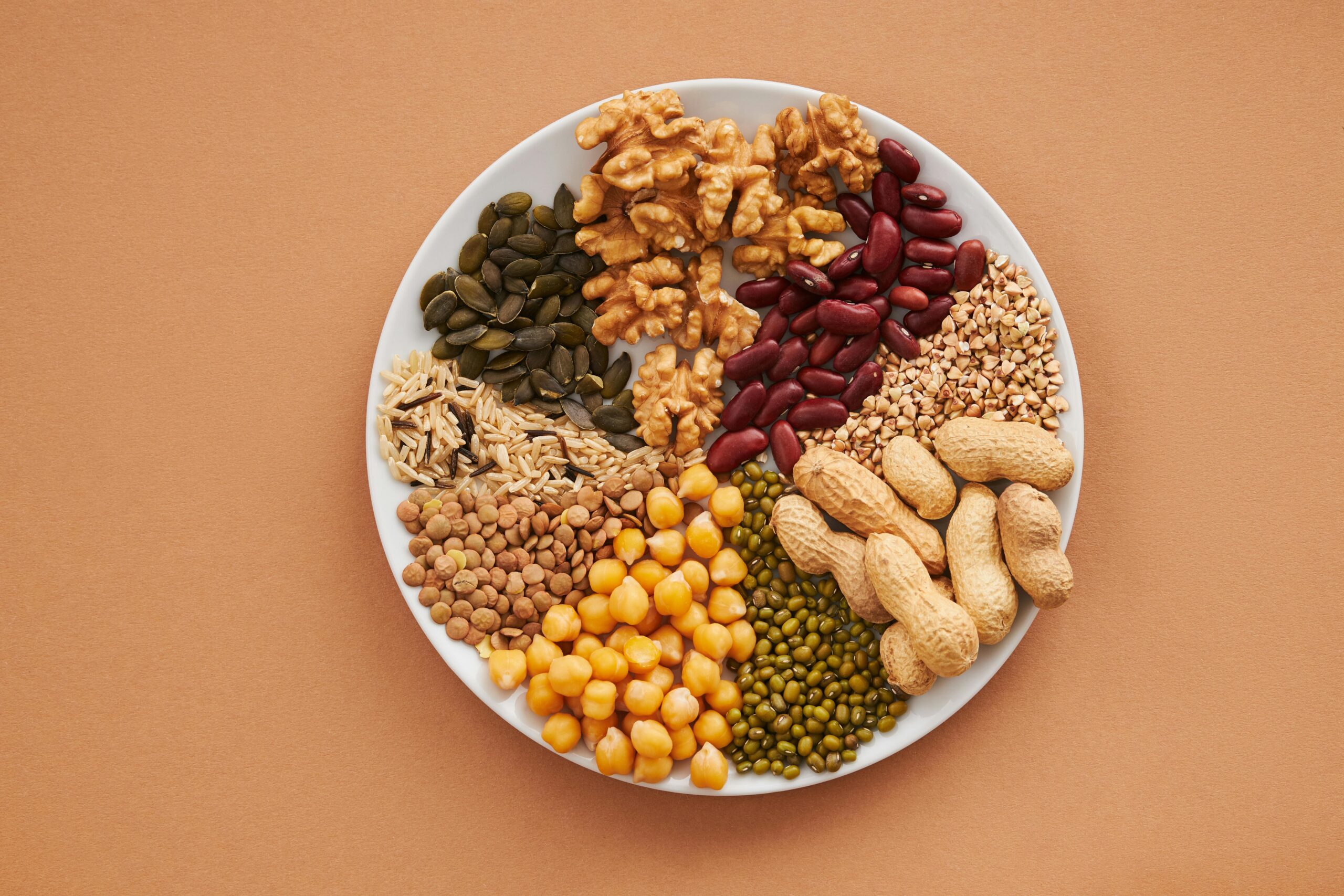
Learning to master meal planning can transform your monthly budget while improving your eating habits. This comprehensive guide will show you exactly how to plan, shop, and prepare delicious meals for an entire week without breaking the bank.

Many families struggle with grocery bills that seem to grow each month, often resulting from impulsive purchases and lack of organization. By implementing a strategic meal planning approach, you can cut your food expenses by up to 40% while actually eating healthier, more varied meals. The secret lies in understanding how to build a smart grocery list, shop seasonally, and maximize every ingredient you purchase.
🎯 Why Meal Planning Changes Everything for Your Budget
Meal planning isn’t just about saving money—it’s about taking control of one of your largest monthly expenses. The average household wastes approximately 30% of the food they purchase, which translates to throwing away hundreds of dollars each year. When you plan your meals in advance, you eliminate guesswork, reduce impulse buying, and ensure every item in your cart serves a specific purpose.
Beyond the financial benefits, meal planning reduces daily stress. Coming home after a long day and knowing exactly what you’re cooking—with all ingredients already in your kitchen—eliminates the dreaded “what’s for dinner?” question that leads so many people to expensive takeout options.
Building Your Foundation: The One-Week Meal Planning Strategy
The one-week timeframe is ideal for meal planning beginners. It’s long enough to see significant savings but short enough to maintain variety without getting bored. This approach allows you to take advantage of weekly grocery store sales and prevents produce from spoiling before you can use it.
Step One: Inventory Your Kitchen
Before creating any grocery list, spend 15 minutes checking what you already have. Look through your pantry, refrigerator, and freezer. You’d be surprised how many meals you can build around ingredients already sitting in your kitchen. This simple step can immediately reduce your shopping list by 20-30%.
Create three categories: proteins, grains and starches, and vegetables. Write down everything you find. That forgotten package of pasta, the chicken breast in the freezer, or those canned beans in the back of your pantry can become the foundation of this week’s meals.
Step Two: Choose Your Weekly Meals
Plan for seven dinners, keeping breakfasts and lunches simpler with repetitive options that work well. Select recipes that share ingredients to maximize efficiency. For example, if you’re buying fresh cilantro for tacos on Monday, plan a curry or stir-fry later in the week that also uses cilantro.
Aim for a balance of protein sources throughout the week. Mix affordable options like eggs, beans, and chicken with one or two meals featuring more expensive proteins. This variety keeps meals interesting while controlling costs.
🛒 Your Ultimate One-Week Budget-Friendly Grocery List
This master grocery list is designed to feed a family of four for one week with a budget of approximately $75-$100, depending on your location and current prices. All items are versatile and used in multiple meals throughout the week.
Proteins (Budget: $25-30)
- Whole chicken (4-5 lbs) or chicken thighs (3 lbs) – approximately $8-12
- Ground beef or turkey (2 lbs) – approximately $8-10
- Eggs (18 count) – approximately $4-5
- Dried beans or canned beans (3 cans) – approximately $3-4
Produce (Budget: $20-25)
- Onions (3 lbs) – approximately $3
- Carrots (2 lbs) – approximately $2
- Potatoes (5 lbs) – approximately $4
- Bananas (bunch) – approximately $2
- Seasonal vegetable mix (broccoli, bell peppers, or cabbage) – approximately $6
- Lettuce or salad greens – approximately $3
- Tomatoes (3-4 medium) – approximately $3
- Garlic (1 bulb) – approximately $1
Grains & Starches (Budget: $10-12)
- Rice (2 lbs) – approximately $3
- Pasta (2 boxes) – approximately $3
- Bread (2 loaves) – approximately $4
- Oats (large container) – approximately $3
Dairy & Refrigerated (Budget: $12-15)
- Milk (1 gallon) – approximately $4
- Cheese (1 lb block) – approximately $5
- Butter or margarine – approximately $3
- Yogurt (large container) – approximately $4
Pantry Staples (Budget: $8-10)
- Canned tomatoes (2 cans) – approximately $3
- Cooking oil – approximately $4
- Flour – approximately $3
Note: This assumes you have basic spices and seasonings (salt, pepper, garlic powder, etc.). If starting from scratch, invest in a basic spice set—it’s a one-time purchase that lasts months.
📅 Your Seven-Day Meal Plan Using This Grocery List
Monday: Classic Spaghetti with Meat Sauce
Use ground beef, pasta, canned tomatoes, onions, and garlic. This Italian favorite is economical and makes enough for leftovers. Serve with a simple side salad using lettuce and tomatoes. Cost per serving: approximately $2.50.
Tuesday: Chicken Stir-Fry Over Rice
Slice chicken into strips and cook with seasonal vegetables, onions, and garlic. Serve over rice for a filling meal. This dish comes together in 20 minutes and provides excellent nutrition. Cost per serving: approximately $3.
Wednesday: Bean and Cheese Quesadillas
Use canned beans, cheese, and any leftover vegetables. Serve with rice on the side. This meatless meal is incredibly budget-friendly while still being satisfying. Cost per serving: approximately $1.50.
Thursday: Roasted Chicken with Vegetables
Roast your whole chicken with potatoes, carrots, and onions all in one pan. This meal requires minimal prep but delivers maximum flavor. Save the chicken bones for making stock later. Cost per serving: approximately $3.50.
Friday: Homemade Pizza Night
Use flour to make simple pizza dough, top with canned tomato sauce, cheese, and leftover vegetables or ground beef. Kids love this interactive dinner. Cost per serving: approximately $2.
Saturday: Chicken Fried Rice
Use leftover chicken from Thursday, rice, eggs, and vegetables. This one-pan wonder uses up odds and ends while tasting restaurant-quality. Cost per serving: approximately $2.
Sunday: Hearty Beef and Vegetable Soup
Use remaining ground beef, any leftover vegetables, potatoes, carrots, and canned tomatoes to create a nourishing soup. Serve with bread. Make extra to freeze for next week. Cost per serving: approximately $2.50.
💡 Pro Shopping Strategies to Maximize Savings
Shop Your Sales Cycle
Most grocery stores run weekly sales cycles starting on Wednesday or Thursday. Review store flyers before planning your meals and build your menu around discounted items. If chicken is on sale, plan three chicken-based meals. If produce is discounted, incorporate those vegetables.
Buy Store Brands Without Guilt
Store-brand products typically cost 20-30% less than name brands while maintaining comparable quality, especially for basic items like flour, sugar, canned goods, and dairy products. Save the name-brand purchases for items where you notice a genuine difference.
Understand Unit Pricing
The larger package isn’t always cheaper. Check the unit price (cost per ounce, pound, or item) displayed on shelf tags. Sometimes smaller packages on sale beat larger packages at regular price.
Shop Seasonally for Produce
Seasonal fruits and vegetables cost significantly less and taste better. In winter, focus on root vegetables, squash, and citrus. Summer brings abundant berries, tomatoes, and leafy greens at lower prices.
🔥 Advanced Meal Planning Tips for Extra Savings
Embrace Strategic Repetition
Eating the same breakfast for a week isn’t boring—it’s efficient. Simple oatmeal with banana costs pennies per serving and requires no daily decision-making. Similarly, batch-cooking lunch staples like hard-boiled eggs or basic sandwiches streamlines your week.
Master the Batch Cooking Method
Dedicate one hour on Sunday to prep work. Chop all vegetables for the week, cook rice in bulk, portion proteins, and prep breakfast items. This investment saves hours throughout the week and reduces the temptation to order takeout when you’re tired.
Repurpose Ingredients Creatively
The chicken from Thursday becomes Friday’s soup and Saturday’s fried rice. The cheese from quesadillas also tops pizza. This strategic ingredient overlap reduces waste and maximizes value from every purchase.
Create a Price Book
Track regular prices for items you buy frequently. Record the lowest sale price you’ve seen. This knowledge helps you recognize true deals versus marketing hype and know when to stock up.
🍳 Breakfast and Lunch Solutions on a Budget
While dinner often gets the most attention, breakfast and lunch present major savings opportunities. Keep these meals simple and repetitive to reduce costs and mental load.
Budget Breakfast Ideas
Oatmeal remains unbeatable for value—approximately $0.25 per serving when buying in bulk. Top with banana slices or a spoonful of jam. Eggs offer another economical option at roughly $0.30 per egg. Scramble them, boil them, or make simple omelets. Homemade pancakes from basic pantry ingredients cost far less than boxed cereals.
Lunch Options That Save
Leftovers from dinner provide the simplest lunch solution. Cook slightly larger dinner portions and pack them immediately into lunch containers. Sandwiches made from home-baked or sale bread with cheese, leftover proteins, or even peanut butter cost less than $1 per serving. Large-batch soups freeze beautifully and reheat quickly for satisfying midday meals.
Common Meal Planning Mistakes to Avoid
Even well-intentioned planners can sabotage their success with common errors. Being too ambitious ranks as the number one mistake—planning elaborate recipes for every night sets you up for failure. Start simple and gradually increase complexity as the habit solidifies.
Not accounting for realistic schedule constraints causes plans to fall apart. If Wednesday nights are always hectic, schedule a 15-minute meal like quesadillas rather than something requiring an hour of prep. Planning without checking what you already own leads to duplicate purchases and waste.
Forgetting to plan snacks results in expensive convenience store runs. Include simple snack options in your grocery list: popcorn kernels, seasonal fruit, cheese cubes, or homemade muffins all cost pennies compared to packaged snacks.
📱 Tools and Resources to Support Your Planning
While meal planning doesn’t require fancy technology, several free tools can simplify the process. Simple spreadsheets work perfectly for tracking your meal plan and corresponding grocery list. Many people successfully use basic notes apps on their phones.
Dedicated meal planning apps can streamline the process by organizing recipes, generating shopping lists, and tracking pantry inventory. Look for options that allow customization to your family’s preferences and dietary needs.
Store loyalty apps deserve space on your phone. Most major grocery chains offer digital coupons, personalized discounts, and rewards programs that can reduce your bill by 10-15% without extra effort beyond downloading the app.
🌟 Making It Sustainable: Building Your Long-Term Success
The first week of meal planning might feel awkward or time-consuming. Like any new habit, it improves with practice. By week three or four, the process becomes intuitive. You’ll develop a mental catalog of go-to meals and understand your family’s preferences better.
Keep a running list of successful meals. When a recipe works well, add it to your rotation. Gradually build a collection of 15-20 reliable recipes that you can mix and match. This eliminates the need to constantly search for new ideas while maintaining variety.
Flexibility remains crucial for long-term success. If Tuesday’s planned meal doesn’t appeal when the day arrives, swap it with Thursday’s plan. The structure serves you—not the other way around. Some weeks will go perfectly according to plan; others will require adjustments. Both outcomes are fine.
Measuring Your Success Beyond the Dollar
While saving money motivates most people to start meal planning, the benefits extend far beyond your bank account. Track how meal planning affects your stress levels, family dinner time, and overall nutrition. Many families report feeling more connected when sharing planned home-cooked meals rather than scrambling for last-minute solutions.
Food waste reduction represents another meaningful victory. When you’re using everything you purchase, you’re not just saving money—you’re reducing environmental impact and making more conscious consumption choices.
Health improvements often emerge naturally. Planned meals tend to be more balanced than emergency takeout or processed convenience foods. You control ingredients, portion sizes, and cooking methods, leading to better nutrition without following restrictive diets.

Your Next Steps: Taking Action This Week
Don’t wait for the perfect moment to begin meal planning. Start this week with a simplified version—plan just five dinners instead of seven. Use the grocery list provided in this article as your template, adjusting for your family’s preferences and dietary restrictions.
Set aside 30 minutes this weekend to plan your meals and create your shopping list. Shop once with your complete list rather than making multiple trips throughout the week. Prep what you can in advance to set yourself up for success.
Remember that meal planning is a skill that develops over time. Your first week won’t be perfect, and that’s completely normal. Each week you practice, you’ll get faster, more efficient, and more creative with your planning. The money you save and stress you eliminate make the learning curve absolutely worthwhile.
The power to transform your food budget and eating habits sits in your hands right now. This ultimate one-week grocery list and meal planning strategy provides everything you need to start saving money while eating well. Take that first step today—your future self and your bank account will thank you. 🎉