Rising grocery prices are putting pressure on household budgets everywhere. Smart shoppers are discovering that flexibility is the secret weapon to cutting costs while still eating well.

The traditional approach to grocery shopping—walking into the store with a rigid list and sticking to it no matter what—often means missing out on significant savings. When prices fluctuate weekly, sometimes even daily, a smarter strategy involves creating flexible lists that adapt to what’s actually affordable when you shop. This approach combines planning with opportunistic buying, allowing you to take advantage of price drops, seasonal produce, and unexpected deals while avoiding overpriced items.
🛒 Why Traditional Grocery Lists Cost You More
Most people create their grocery lists based on recipes they want to make or items they’re accustomed to buying. While this ensures you get what you planned for, it completely ignores the dynamic nature of grocery pricing. Produce prices shift with seasons, protein costs vary based on supply chains, and promotional cycles can make identical products cost dramatically different amounts from week to week.
When you commit to a fixed list, you’re essentially agreeing to pay whatever price the store is charging that day. If chicken breast is at a premium but pork chops are on sale, your inflexible list keeps you locked into the more expensive option. This rigid approach can add 20-40% to your grocery bill compared to a more adaptable shopping strategy.
The Flexible Shopping Mindset: Think Categories, Not Specifics
The foundation of smart grocery shopping is shifting from specific items to categories. Instead of writing “chicken breast” on your list, think “protein for dinner.” Rather than “strawberries,” consider “fresh fruit for breakfast.” This mental adjustment opens up possibilities for substitution based on what’s actually affordable when you’re in the store.
This doesn’t mean abandoning planning altogether. You still need to know roughly what meals you’ll prepare and what ingredients you need. The difference is building flexibility into those plans so you can pivot when prices demand it.
Creating Your Flexible Category-Based List
Start by identifying the essential categories for your household:
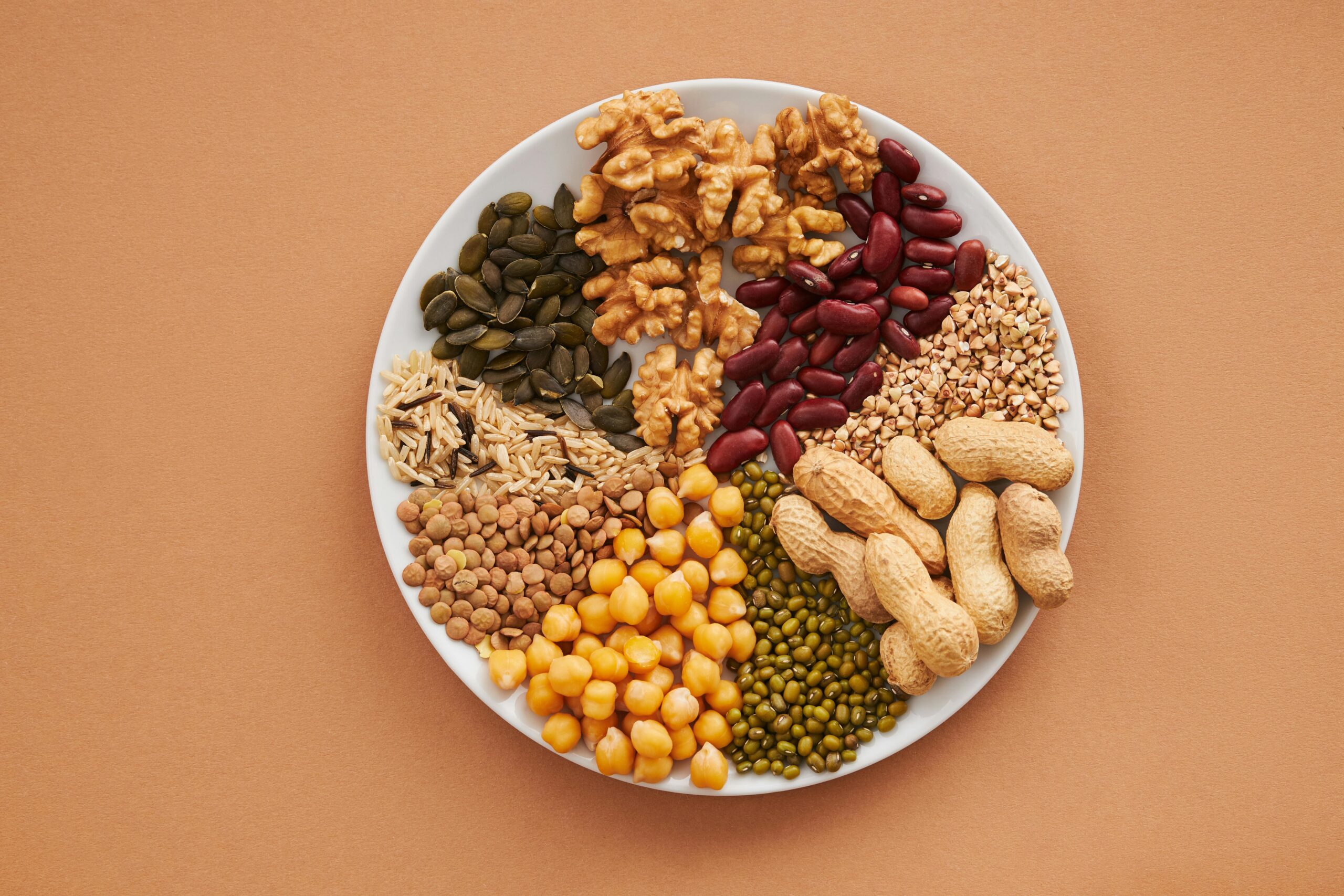
- Proteins: Chicken, beef, pork, fish, eggs, beans, tofu
- Vegetables: Leafy greens, root vegetables, cruciferous vegetables
- Fruits: Seasonal options, berries, citrus, apples
- Grains and starches: Rice, pasta, bread, potatoes
- Dairy: Milk, cheese, yogurt, butter
- Pantry staples: Oils, spices, canned goods
For each category, list several acceptable alternatives. If you need protein for three dinners, you might note that chicken thighs, ground turkey, pork shoulder, or canned tuna would all work. When you arrive at the store, check prices across these options and choose the most economical.
📊 Understanding Price Patterns and Timing
Grocery stores follow predictable pricing cycles, and understanding these patterns dramatically improves your ability to save. Most supermarkets run sales on a 6-12 week rotation, meaning if beef is on sale this week, it probably won’t be again for at least a month.
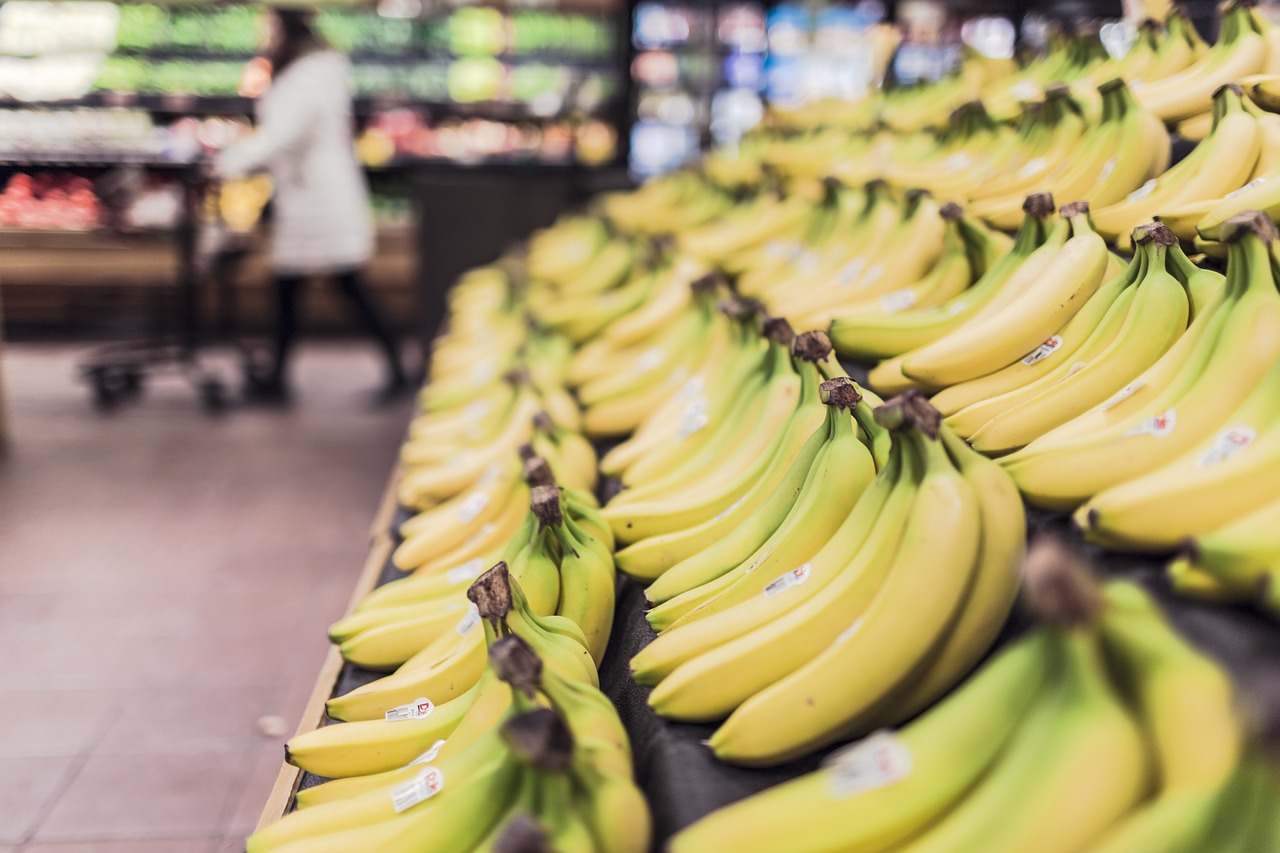
Seasonal produce follows annual patterns. Berries peak in summer, squash in fall, citrus in winter. Buying produce during its natural season can save you 50% or more compared to off-season prices. Smart flexible lists account for these seasonal shifts, emphasizing whatever is currently abundant.
Weekly Price Monitoring Strategies
Before you shop, spend ten minutes reviewing the current week’s sales flyers from your local stores. Note which proteins are discounted, what produce is featured, and what pantry items are on promotion. Many stores now publish these online, making comparison easy.
Digital tools have revolutionized price tracking. Apps that monitor grocery prices across multiple stores help you identify genuine bargains versus marketing tricks. Some applications alert you when items on your frequent-buy list drop below certain price thresholds.
💡 Building Recipe Flexibility Into Your Meal Planning
The most successful flexible shoppers plan meals around cooking methods and flavor profiles rather than specific recipes. Instead of planning “lemon herb chicken with roasted asparagus,” think “roasted protein with seasonal vegetable.” This framework approach works with whatever ingredients offer the best value.
Develop a repertoire of versatile recipes that work with multiple ingredient options. A stir-fry accommodates virtually any protein and vegetable combination. Pasta dishes adapt easily to different sauces and additions. Soups and casseroles accept wide ingredient variation without compromising results.
The Substitution Mindset
Train yourself to see equivalencies across ingredients. Most recipes that call for chicken work equally well with turkey or pork. Broccoli and cauliflower are largely interchangeable. Different cheeses often substitute seamlessly in cooked dishes. Once you understand these equivalencies, your flexible list becomes a powerful money-saving tool.
Keep a running list of successful substitutions you’ve made. Over time, you’ll build confidence in making ingredient swaps and become increasingly creative with whatever ingredients offer the best value on shopping day.
🎯 Strategic Stockpiling Without Waste
Flexibility includes knowing when to buy extra. When prices drop significantly on non-perishable items or freezable foods, purchasing extra for future use maximizes savings. The key is doing this strategically rather than hoarding indiscriminately.
Focus stockpiling efforts on versatile staples that you regularly use: pasta when it’s under a dollar per pound, canned tomatoes at fifty cents per can, rice at rock-bottom prices. For proteins, invest in a freezer and buy extra when quality cuts are discounted, properly packaging them for later use.
The Goldilocks Approach to Stockpiling
Avoid both extremes: buying only for immediate needs and overbuying to the point of waste. A moderate stockpile of 2-4 weeks’ worth of frequently used items provides price protection without risking spoilage or tying up excessive funds.
Rotate your stockpile systematically, placing new purchases behind older ones. Date items when you buy them. This simple organization prevents waste while ensuring you benefit from bulk purchasing during price dips.
Technology Tools That Enhance Flexible Shopping
Modern technology offers unprecedented support for flexible grocery shopping. Price comparison apps, digital coupons, store loyalty programs, and shopping list apps with price-tracking features all contribute to smarter purchasing decisions.
Cashback and rebate apps reward purchases on specific items, effectively lowering prices after the fact. Stacking these rebates with in-store sales creates compound savings that significantly reduce overall grocery costs.
Price book apps help you track the lowest prices you’ve seen for frequently purchased items, creating a personal reference that identifies genuine deals versus inflated “sale” prices. Over time, this knowledge becomes invaluable for recognizing when to stock up versus when to wait for better pricing.
🥗 Balancing Nutrition and Budget Flexibility
Some worry that flexible shopping focused on prices might compromise nutritional quality. In reality, the opposite often proves true. Seasonal produce at peak freshness and affordability typically offers superior nutrition compared to out-of-season alternatives that traveled thousands of miles.
Maintaining nutritional balance within a flexible framework simply requires ensuring you select options across all necessary food groups regardless of specific items. If leafy greens are expensive, other vegetables provide similar nutrients. When one protein is costly, alternatives deliver comparable nutritional value.
Dietary Restrictions and Flexible Lists
Even households with dietary restrictions benefit from flexibility. Gluten-free shoppers can choose among rice, quinoa, potatoes, or gluten-free pasta based on current prices. Vegetarians can rotate between various plant-based proteins depending on seasonal availability and cost. The principle of flexible categories within dietary boundaries still yields substantial savings.
Shopping Different Stores Strategically
No single store offers the best price on everything. Flexible shoppers often split purchases across multiple retailers, buying produce at one location, proteins at another, and shelf-stable items at a third. While this requires more effort, the savings often justify the extra stops.
Warehouse clubs excel at pricing on bulk items and certain categories but aren’t always cheapest on everything. Discount grocers offer great values on many items but may lack selection. Traditional supermarkets provide convenience and variety at moderate pricing. Understanding each store’s strengths allows you to optimize where you purchase different categories.
The Multi-Store Shopping Strategy
Plan a monthly major shopping trip to a warehouse club for bulk staples. Weekly, visit your primary supermarket for fresh items, checking sales first to guide purchases. As needed, stop at discount grocers for specific categories where they excel. This tiered approach balances convenience against maximum savings.
📱 Teaching Your Household Flexible Shopping
If multiple family members shop, everyone needs to understand and embrace the flexible approach. Share your category lists and acceptable substitutions with other household shoppers. Explain the reasoning behind flexibility so others buy into the strategy rather than feeling frustrated by less specific lists.
Involve children in age-appropriate ways. Younger kids can help identify which fruits are in season or which proteins are on sale. Older children and teens can learn price comparison and budgeting skills that serve them for life. Making flexible shopping a family activity builds valuable financial literacy.
Overcoming Common Flexible Shopping Challenges
The biggest obstacle most people face is breaking ingrained shopping habits. Decades of buying specific brands or items create patterns that resist change even when those patterns cost extra money. Recognize this psychological barrier and consciously work to overcome it through small, gradual adjustments.
Another challenge involves recipe websites and meal planning services that specify exact ingredients. Use these resources for inspiration and technique rather than rigid instructions. View recipes as starting points that guide flavor profiles and cooking methods while remaining open to ingredient substitutions based on value.
When Flexibility Doesn’t Work
Some situations genuinely require specific items. Special occasions, cultural traditions, or tried-and-true family favorites sometimes justify paying premium prices. The key is making these exceptions consciously and infrequently rather than defaulting to rigid shopping without consideration of alternatives.
Medical dietary requirements may limit flexibility in certain categories. Even here, though, some adaptability usually exists within approved options. Work within your constraints while embracing flexibility wherever possible.
💰 Measuring Your Savings Success
Track your grocery spending to quantify savings from flexible shopping. Many people discover they reduce grocery costs by 25-35% once they fully implement flexible list strategies. Keep receipts for a month before making changes, then compare spending after adopting these techniques.
Beyond total spending, monitor price-per-unit for frequently purchased items. You’ll notice average costs declining as you consistently choose the best-priced options within each category rather than defaulting to familiar but expensive items.
Making Flexibility Your Default Shopping Mode
Like any skill, flexible grocery shopping improves with practice. Your first attempts might feel awkward or time-consuming as you compare prices and make substitution decisions. Within a few weeks, though, these behaviors become automatic. You’ll instinctively scan for best values and confidently adjust purchases based on pricing.
Start small if the full transition feels overwhelming. Pick one or two categories to make flexible initially—perhaps proteins and produce—while maintaining fixed lists for other items. As you gain confidence and see savings accumulate, expand flexibility to additional categories.
The mental shift from “I need this specific item” to “I need something from this category at a good price” represents the core transformation. Once this thinking becomes natural, you’ll wonder how you ever shopped any other way. Your grocery budget will thank you, and you might discover new favorite foods and recipes through experimenting with whatever offers the best value each week.
Remember that flexibility doesn’t mean sacrificing quality or settling for less. It means being smart enough to recognize that many items serve equivalent purposes, and choosing based on value rather than habit creates substantial savings without compromising what ends up on your table. In an era of fluctuating prices and economic uncertainty, flexible grocery lists provide both financial resilience and the satisfaction of shopping intelligently.