Meal prep doesn’t have to drain your wallet or leave you eating bland, boring food every day. With smart planning and the right ingredients, you can create delicious, nutritious meals that save both time and money throughout the week.

The secret to successful budget meal prep lies in choosing versatile ingredients that work across multiple recipes, shopping strategically, and maximizing every dollar you spend. Whether you’re feeding yourself, your family, or simply trying to stop ordering expensive takeout, mastering affordable meal prep will transform your relationship with food and finances. This guide will walk you through everything you need to build your ultimate budget-friendly shopping list and set yourself up for meal prep success.
🛒 Why Budget Meal Prep Changes Everything
Before diving into your shopping list, it’s important to understand why meal prep on a budget is such a game-changer for your lifestyle. The average person spends hundreds of dollars monthly on restaurants and food delivery services, often without realizing how quickly these costs accumulate.
When you commit to budget meal prep, you’re not just saving money—you’re taking control of your nutrition, reducing food waste, and eliminating the daily stress of deciding what to eat. Studies show that people who meal prep consume more vegetables, eat more balanced portions, and maintain healthier eating habits overall.
The financial benefits are equally impressive. By purchasing ingredients in bulk, taking advantage of sales, and cooking larger portions, you can reduce your per-meal cost to just a few dollars compared to ten or fifteen dollars for restaurant meals. Over a month, this translates to savings of several hundred dollars that can go toward other financial goals.
🎯 Building Your Foundation: Essential Pantry Staples
Every successful budget meal prep strategy starts with a well-stocked pantry. These shelf-stable ingredients form the backbone of countless recipes and provide excellent value for money since they last for weeks or months.
Grains and Carbohydrates
Rice is your best friend when it comes to affordable meal prep. White rice, brown rice, and even jasmine or basmati varieties offer incredible value per serving. A large bag can provide dozens of meals and pairs perfectly with virtually any protein or vegetable combination. Pasta is another budget champion—look for whole wheat options when they’re on sale for added nutrition without sacrificing affordability.
Oats deserve special mention as one of the most versatile and inexpensive staples available. Use them for breakfast bowls, homemade granola, energy balls, or even as a binder in meatballs and veggie burgers. Quinoa, while slightly pricier, goes on sale regularly and provides complete protein, making it worth stocking when you find a good deal.
Proteins That Won’t Break the Bank
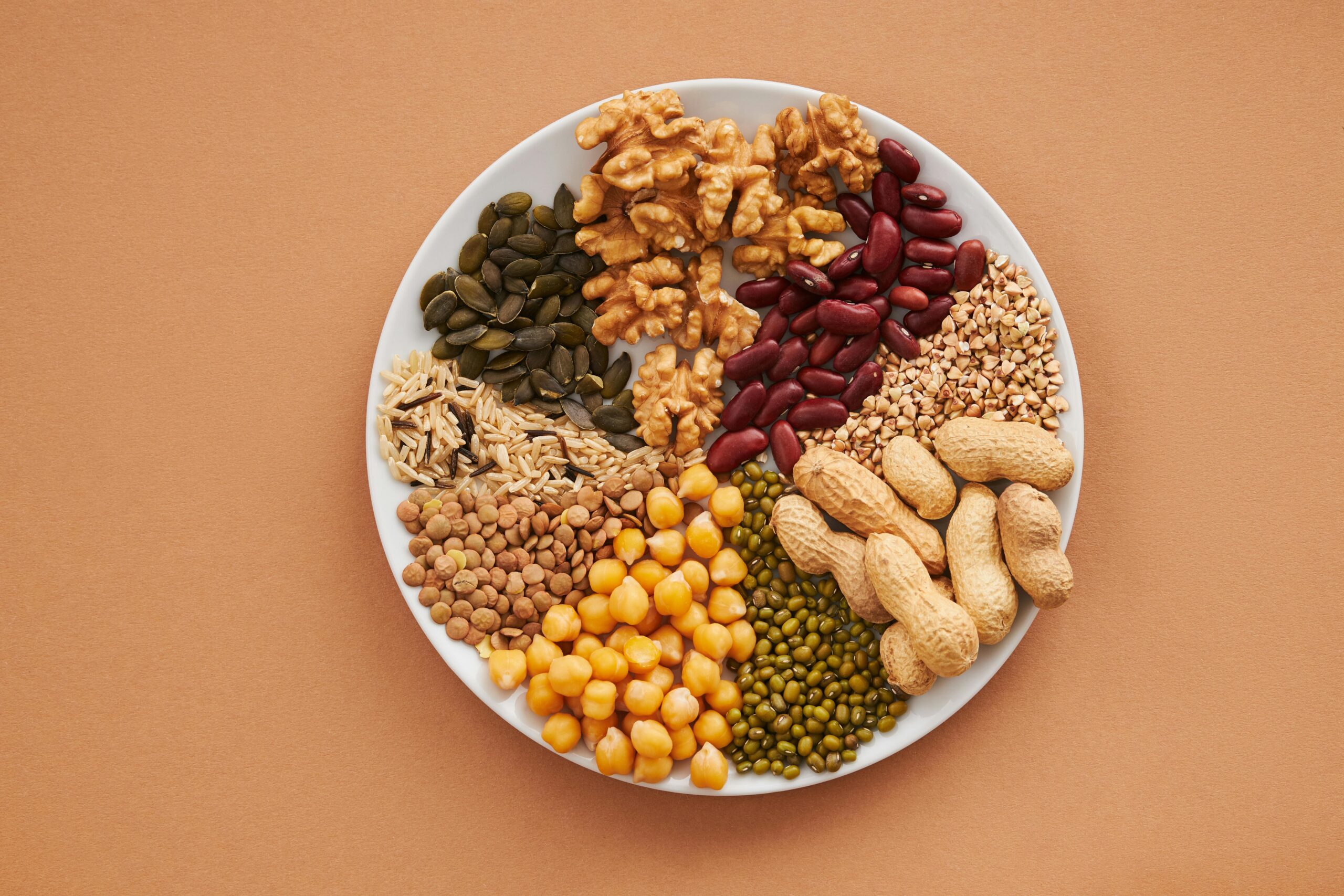
Dried beans and lentils are nutritional powerhouses that cost pennies per serving. Black beans, chickpeas, kidney beans, and lentils can become the star of soups, salads, tacos, curries, and countless other dishes. If you prefer canned versions for convenience, they’re still incredibly affordable—just watch for sales and stock up.
Eggs are perhaps the most budget-friendly protein source available, offering high-quality nutrition at an unbeatable price point. Use them for breakfast meal prep, add hard-boiled eggs to salads and grain bowls, or incorporate them into frittatas and egg muffins that last all week.
Canned tuna and salmon provide affordable seafood options rich in omega-3 fatty acids. Mix them into pasta salads, make fish cakes, or simply serve over greens for a protein-packed lunch that costs less than two dollars per serving.
Canned and Jarred Essentials
Canned tomatoes in various forms—diced, crushed, or paste—are essential for creating sauces, soups, and stews. They’re often cheaper and more flavorful than fresh tomatoes, especially outside peak season. Tomato paste adds concentrated flavor to dishes for minimal cost.
Stock or broth cubes and bouillon provide rich flavor foundations for soups, rice dishes, and sauces at a fraction of the cost of boxed broth. Peanut butter or other nut butters offer protein, healthy fats, and versatility for both sweet and savory applications.
🥬 Fresh Produce: Choosing Wisely for Maximum Value
Fresh fruits and vegetables are crucial for nutritious meal prep, but they can quickly inflate your budget if you’re not strategic. The key is focusing on affordable, versatile produce that stores well and works across multiple meals.
Vegetables That Go the Distance
Onions, garlic, and carrots form the aromatic base of countless dishes and stay fresh for weeks when stored properly. These budget vegetables add tremendous flavor and nutrition to virtually everything you cook. Cabbage is criminally underrated—it’s incredibly cheap, lasts for weeks in the refrigerator, and can be used in slaws, stir-fries, soups, and even fermented into sauerkraut.
Potatoes and sweet potatoes offer filling, nutritious carbohydrates at rock-bottom prices. Roast them, mash them, add them to soups, or turn them into hash—their versatility is unmatched. Bell peppers, while sometimes pricey, often go on sale and freeze beautifully for later use in fajitas, stir-fries, and pasta dishes.
Frozen vegetables deserve equal billing with fresh produce. They’re often more affordable, already prepped, and retain their nutrients exceptionally well. Stock your freezer with mixed vegetables, broccoli, spinach, and peas for ultimate convenience and value.
Fruits for Flavor and Nutrition
Bananas are the ultimate budget-friendly fruit, providing natural sweetness for oatmeal, smoothies, and baked goods. Apples store well for weeks and serve as portable snacks or additions to salads and breakfast dishes. Frozen berries cost significantly less than fresh and work perfectly in smoothies, yogurt parfaits, and overnight oats.
Citrus fruits like lemons and limes might seem like small purchases, but they dramatically enhance the flavor of your meals. A squeeze of lemon can brighten up vegetables, proteins, and grains, making budget ingredients taste restaurant-quality.
🍗 Protein Strategy: Getting More for Less
Protein often represents the largest portion of your meal prep budget, so shopping smart in this category yields the biggest savings. Focus on affordable cuts, buy in bulk when possible, and don’t overlook plant-based options.
Chicken thighs and drumsticks cost significantly less than chicken breasts while offering more flavor and moisture. They’re ideal for meal prep because they reheat better and stay tender throughout the week. Ground turkey or chicken provides lean protein at reasonable prices, perfect for meatballs, burgers, pasta sauces, and taco fillings.
Pork shoulder and other larger cuts become incredibly affordable when purchased on sale and divided into portions. A single pork shoulder can provide pulled pork for multiple meals at a fraction of restaurant costs. Ground beef, especially when bought in larger packages, remains a budget-friendly option for countless recipes.
Don’t forget about plant-based proteins like tofu and tempeh, which often cost less than meat while providing complete protein. They absorb flavors beautifully and work in stir-fries, curries, grain bowls, and more.
💰 Your Ultimate Budget Meal Prep Shopping List
Here’s a comprehensive shopping list organized by category to guide your budget meal prep journey. Adjust quantities based on your household size and preferences, but these items provide the foundation for affordable, delicious eating.
Pantry Staples
- Long-grain white rice (5-10 lb bag)
- Dried pasta (various shapes)
- Rolled oats (large container)
- Dried beans (black, pinto, kidney)
- Dried lentils (red and brown)
- Canned tomatoes (diced and crushed)
- Tomato paste
- Canned beans (for convenience)
- Chicken or vegetable bouillon
- Olive oil or vegetable oil
- All-purpose flour
- Sugar (white and brown)
- Salt and black pepper
Spices and Seasonings
- Garlic powder
- Onion powder
- Paprika
- Cumin
- Chili powder
- Italian seasoning
- Soy sauce
- Hot sauce
- Vinegar (white and apple cider)
Proteins
- Eggs (2-3 dozen for serious meal prep)
- Chicken thighs or drumsticks (family packs)
- Ground turkey or beef (larger packages)
- Canned tuna or salmon
- Dried or canned beans
- Block of tofu or tempeh
Fresh Produce
- Onions (yellow and red)
- Garlic
- Carrots
- Cabbage (green or purple)
- Potatoes
- Sweet potatoes
- Seasonal vegetables on sale
- Bananas
- Apples
- Lemons
- Fresh herbs (if budget allows, otherwise use dried)
Frozen Section
- Mixed vegetables
- Broccoli florets
- Spinach
- Frozen berries
Dairy and Alternatives
- Milk or plant-based milk
- Plain yogurt
- Block cheese (more economical than pre-shredded)
- Butter or margarine
📱 Smart Shopping: Apps and Tools to Save More
Technology can significantly enhance your budget meal prep strategy. Grocery apps help you find the best deals, track prices, and plan meals around sales. Many stores offer digital coupons that stack with existing promotions, multiplying your savings.
Price comparison apps let you see which stores offer the best value on items you buy regularly. Some apps even provide cashback on grocery purchases, putting money back in your pocket with every shopping trip. Recipe apps specifically designed for budget cooking can suggest meals based on what’s on sale or already in your pantry, preventing food waste and unnecessary purchases.
🔪 Prep Day Success: Maximizing Your Time and Ingredients
Having the right ingredients is only half the battle—knowing how to prep them efficiently makes the difference between success and burnout. Dedicate a few hours on your chosen prep day to washing, chopping, and cooking your base ingredients.
Start by cooking your grains in large batches. Rice, quinoa, and pasta store well in the refrigerator for up to five days and form the foundation of countless meals. While grains cook, prep your vegetables by washing, peeling, and chopping them into ready-to-use portions.
Cook your proteins next, using methods that work for multiple servings. Bake several chicken thighs at once, brown a large batch of ground meat, or cook a big pot of beans. These cooked proteins can be divided into portions and combined with different flavors throughout the week to prevent meal fatigue.
Batch Cooking vs. Ingredient Prep
Some people prefer fully assembled meals, while others find more flexibility in prepping components. Experiment to find your preference. Fully assembled meals offer ultimate convenience—just grab and reheat. Component prep provides variety, letting you mix and match ingredients into different combinations each day.
Consider preparing a few complete meals and keeping some ingredients separate for last-minute assembly. This hybrid approach balances convenience with variety, preventing the boredom that sometimes comes with eating identical meals all week.
🍱 Mix-and-Match Meal Formula for Endless Variety
Use this simple formula to create dozens of different meals from your budget ingredients: Base + Protein + Vegetables + Sauce + Toppings. This framework ensures balanced nutrition while keeping meals interesting.
For bases, choose from rice, pasta, quinoa, or roasted potatoes. Your protein might be chicken, ground meat, beans, eggs, or tofu. Add one or two vegetable preparations—roasted, steamed, or raw. Top everything with a flavorful sauce or dressing, then finish with extras like cheese, nuts, herbs, or a squeeze of citrus.
This modular approach means you can prep basic components once and create vastly different meals. Monday’s rice bowl with teriyaki chicken and stir-fried vegetables transforms into Wednesday’s burrito bowl with the same rice, seasoned ground beef, and salsa. Same ingredients, completely different experience.
💡 Pro Tips for Stretching Every Dollar Further
Shop your pantry first before heading to the store. Many people buy duplicate items because they didn’t realize what they already had, wasting money on unnecessary purchases. Keep a running inventory of your staples and plan meals around what needs to be used first.
Buy generic or store brands for staple items like rice, pasta, canned goods, and spices. The quality difference is negligible, but the price difference can be substantial. Save your money for splurges on items where quality truly matters to you.
Join store loyalty programs and download store apps for exclusive deals and digital coupons. Many retailers offer personalized discounts based on your shopping history, helping you save on items you actually buy. Shop seasonal produce when it’s at peak abundance and lowest prices, then freeze extras for later use.
Consider shopping at discount grocers, ethnic markets, and warehouse clubs where available. These stores often offer significantly lower prices on quality ingredients. Farmer’s markets toward closing time sometimes discount produce to avoid taking it home, providing fresh vegetables at bargain prices.
🌟 Turning Budget Ingredients Into Restaurant-Quality Meals
The difference between boring budget meals and delicious affordable food often comes down to seasoning and technique rather than expensive ingredients. Learning to layer flavors transforms simple components into crave-worthy dishes.
Toast your spices briefly in a dry pan before using them to unlock deeper flavors. Add acid in the form of lemon juice, vinegar, or tomatoes to brighten dishes. Use aromatics like onions and garlic as the foundation of nearly everything you cook. These simple techniques cost nothing but dramatically improve results.
Don’t be afraid to experiment with international flavors using budget ingredients. Indian-inspired dal made from lentils, Mexican rice and bean bowls, Asian stir-fries with cabbage and carrots, and Italian pasta dishes all deliver big flavor from humble ingredients. Spices and seasonings are your secret weapons for creating variety without spending more.
🎉 Your Budget Meal Prep Journey Starts Now
Mastering meal prep on a budget isn’t about deprivation or eating tasteless food to save money. It’s about being strategic with your choices, maximizing the value of versatile ingredients, and developing skills that serve you for life. The shopping list and strategies outlined here provide everything you need to start eating better while spending less.
Start small if the full commitment feels overwhelming. Choose just a few recipes from your budget ingredients and prep lunches for the week. As you experience the time savings, financial benefits, and reduced stress, you’ll naturally want to expand your efforts. Remember that every meal you prep at home instead of buying out represents money saved and health improved.
Your kitchen is the most powerful tool you have for transforming your finances and wellbeing. With the right ingredients, a little planning, and the strategies shared here, you’ll wonder why you didn’t embrace budget meal prep sooner. The investment of a few hours and smart shopping will pay dividends every single day, proving that eating well doesn’t require spending a fortune—just a commitment to taking control of your food, your time, and your budget. 🎯