Managing household expenses doesn’t have to be overwhelming when you have the right grocery shopping strategy in place. A well-planned monthly grocery list can transform your budget, reduce waste, and eliminate the stress of last-minute shopping trips.

Whether you’re feeding a family of five or shopping for one, mastering your monthly grocery routine is the foundation of financial wellness. This comprehensive guide will walk you through creating a strategic shopping list that saves money while keeping your pantry stocked with everything you need.
Why Monthly Grocery Planning Changes Everything 🎯
The average household spends between 10-15% of their income on groceries, making it one of the largest controllable expenses in any budget. Without proper planning, this percentage can easily balloon due to impulse purchases, food waste, and emergency shopping trips at premium-priced convenience stores.
Monthly grocery planning shifts your mindset from reactive to proactive spending. Instead of wondering what’s for dinner each night, you’ll have a clear roadmap that guides your purchases and meal preparation. This approach not only saves money but also reduces the mental load of daily decision-making.
Studies show that shoppers who plan their purchases spend up to 40% less than those who shop without a list. The time investment upfront—typically 30-60 minutes per month—pays dividends throughout the weeks ahead.
Building Your Foundation: Essential Pantry Staples
Before creating your monthly shopping list, you need a solid foundation of non-perishable items that form the backbone of countless meals. These pantry staples have long shelf lives and provide the versatility needed for budget-friendly cooking.
Grains and Carbohydrates
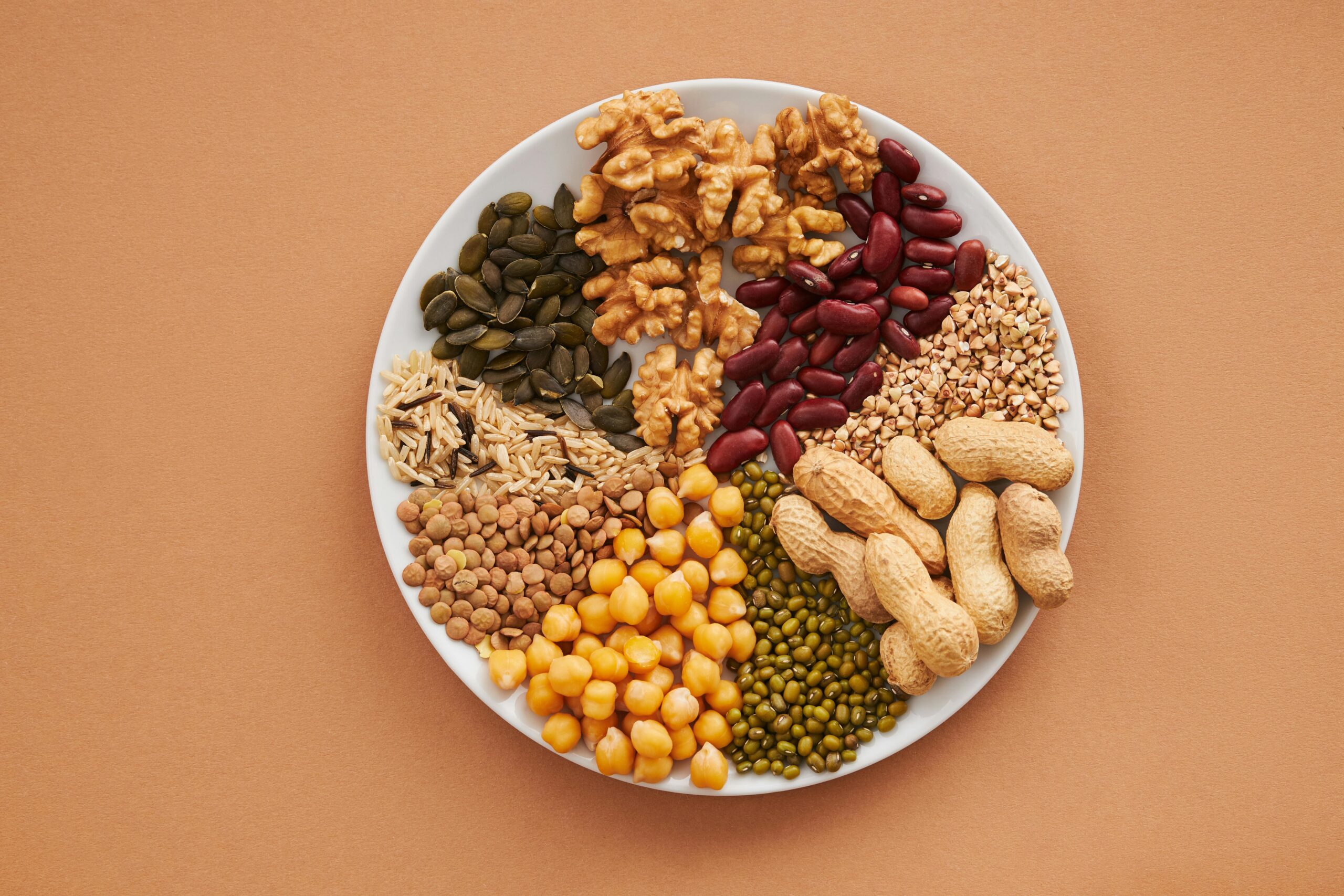
Stock your pantry with various grains that serve as meal foundations. Rice (white, brown, and jasmine varieties), pasta in different shapes, oats for breakfast, quinoa for protein-packed sides, and whole wheat flour for baking should be on your radar. These items often go on sale, so buy in bulk when prices drop.
Don’t forget about bread products. While fresh bread has a shorter lifespan, you can freeze extra loaves for later use. Tortillas, pita bread, and English muffins also freeze well and provide meal variety throughout the month.
Proteins That Last
Canned proteins offer incredible value and convenience. Tuna, salmon, chicken, and beans (black, kidney, chickpeas) provide affordable protein sources that work in salads, sandwiches, and main dishes. Dried lentils and split peas are budget superstars, costing pennies per serving while delivering excellent nutrition.
For fresh proteins, plan your purchases strategically. Buy family packs of chicken breast, ground beef, or pork when on sale, then portion and freeze them immediately. This bulk-buying approach can cut your protein costs by 30-50% compared to buying single-serving packages.
Oils, Condiments, and Flavor Builders
These items may seem like small purchases, but they’re essential for creating flavorful meals. Olive oil, vegetable oil, soy sauce, vinegar (white and apple cider), hot sauce, mustard, ketchup, mayonnaise, and various spices transform basic ingredients into memorable dishes.
Build your spice collection gradually, focusing on versatile options like garlic powder, onion powder, paprika, cumin, oregano, basil, cinnamon, and black pepper. Generic store brands often match name-brand quality at half the price.
The Weekly Fresh Food Strategy 🥬
While pantry staples can be purchased monthly, fresh produce, dairy, and some proteins require a different approach. The key is planning one major monthly shopping trip supplemented by weekly fresh food runs.
Produce That Goes the Distance
Not all fruits and vegetables spoil at the same rate. Strategic selection ensures you have fresh options throughout the month. Root vegetables like potatoes, sweet potatoes, carrots, and onions can last 3-4 weeks when stored properly in cool, dark places.
Apples, oranges, and other citrus fruits have impressive staying power. Cabbage, winter squash, and beets also remain fresh for extended periods. Plan to consume more delicate items like berries, leafy greens, and tomatoes during the first two weeks after shopping.
Frozen vegetables deserve more credit than they receive. Flash-frozen at peak ripeness, they retain nutrients and eliminate waste. Stock your freezer with broccoli, mixed vegetables, spinach, and peas for easy meal additions anytime.
Dairy and Refrigerated Items
Milk, eggs, cheese, and yogurt form the core of most refrigerated shopping lists. Check expiration dates carefully and consider your actual consumption patterns. Ultra-pasteurized milk lasts longer than regular varieties, making it ideal for monthly shopping.
Hard cheeses like cheddar and parmesan have longer shelf lives than soft cheeses. Buying blocks instead of pre-shredded cheese saves money and stays fresh longer. Eggs typically remain good for 3-5 weeks beyond their carton date when refrigerated properly.
Creating Your Personalized Monthly Shopping List 📝
Generic shopping lists rarely work because every household has unique needs, preferences, and dietary requirements. Your personalized list should reflect your family’s eating habits while incorporating money-saving strategies.
Audit Your Current Spending
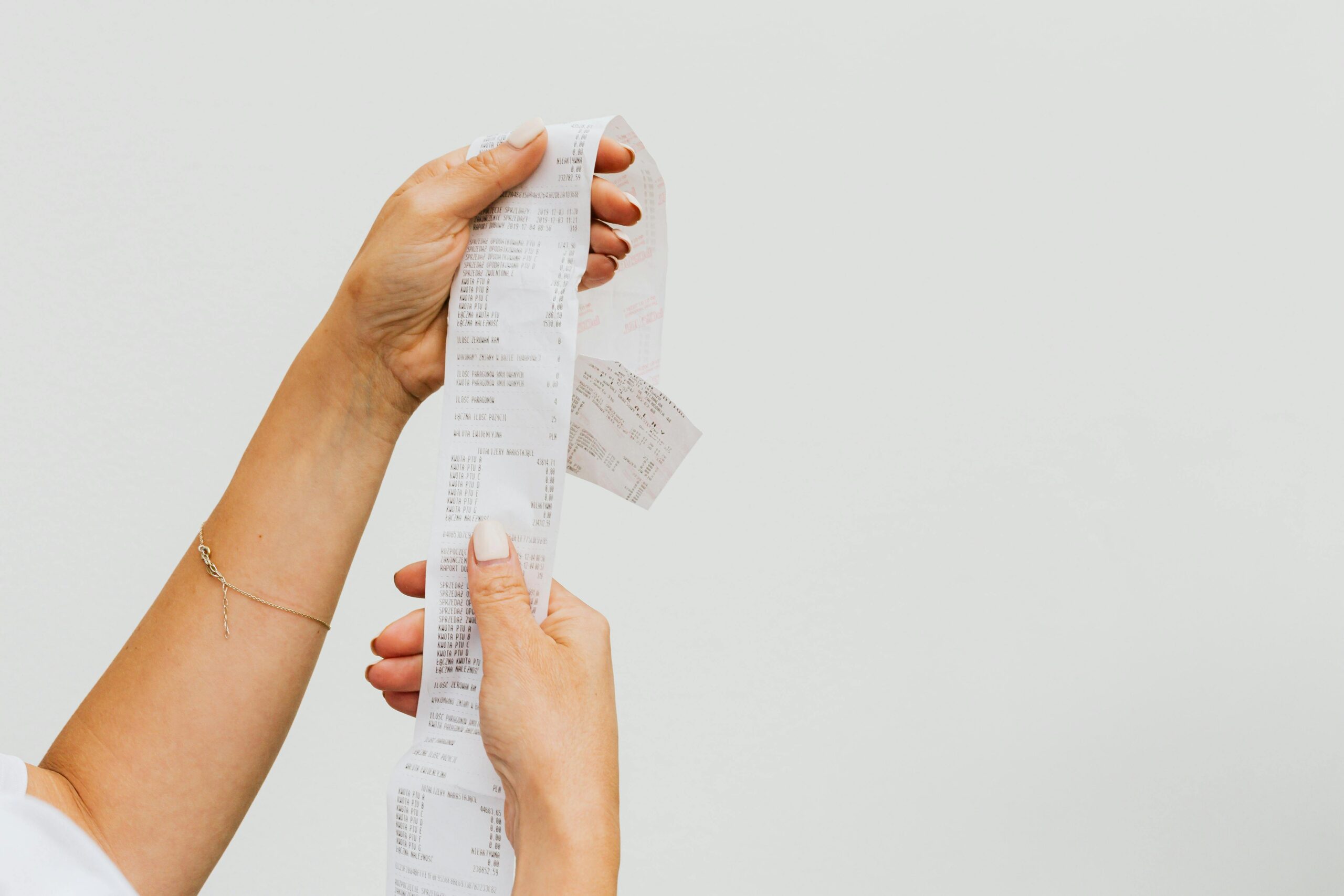
Before building your ideal list, review 2-3 months of grocery receipts to understand your spending patterns. Identify frequently purchased items, costly impulse buys, and foods that often go to waste. This analysis reveals where you can cut costs without sacrificing satisfaction.
Track which meals your family actually eats versus those you aspire to cook. Be honest about your cooking time and energy levels. A realistic meal plan based on actual habits prevents waste and frustration.
The Master Monthly Shopping List Template
Organize your list by store sections to streamline shopping and prevent forgotten items. This organization also helps you spot when you’re buying too much from expensive categories like pre-packaged snacks or convenience foods.
Start with your non-negotiables—items you absolutely need every month. Then add flexible items that depend on sales, seasons, or specific meal plans. Leave room for a few treat items that make meal planning sustainable long-term.
Digital tools can transform your list-making process. Shopping list apps allow you to save templates, check off items as you shop, track prices over time, and share lists with family members who might pick up groceries.
Smart Shopping Strategies That Multiply Your Savings 💰
Having a great list is only half the battle. How you shop determines whether you stick to your budget or exceed it. These proven strategies help you maximize every dollar spent on groceries.
Timing Your Shopping Trips
Shop on Wednesday or Thursday when most stores release new sales while honoring the previous week’s deals. Avoid weekend crowds when possible—busy stores lead to rushed decisions and impulse purchases. Early morning shopping right after stores open means fresher selections and shorter checkout lines.
The day or two before major holidays often feature deep discounts as stores clear inventory. Stock up on non-perishables during these windows. Conversely, the week after holidays brings markdowns on related items like baking supplies after Christmas.
Store Brand vs. Name Brand
Store brands typically cost 20-40% less than name brands while maintaining comparable quality. Most stores now offer tiered private labels—basic, premium, and organic options. Start by trying store brands for staples like flour, sugar, canned goods, and frozen vegetables where quality differences are minimal.
However, some items justify the name-brand premium based on your preferences. Perhaps you’re loyal to a specific pasta sauce or coffee brand. Budget for these favorites by saving on other items where brand doesn’t matter to you.
Unit Price Analysis
The sticker price deceives—always check the unit price (cost per ounce, pound, or count) displayed on shelf tags. Larger sizes usually offer better value, but not always. Sometimes stores price mid-size options most competitively to clear inventory.
Buying in bulk saves money only when you’ll actually use the quantity before it expires. A giant container of yogurt is no bargain if half spoils before consumption. Calculate unit prices against your realistic usage to determine true value.
Meal Planning Integration for Maximum Efficiency 🍽️
Your shopping list and meal plan should work together seamlessly. This integration prevents duplicate purchases, reduces waste, and ensures you have all necessary ingredients for planned meals.
The Batch Cooking Advantage
Plan meals that share ingredients to minimize variety while maximizing efficiency. If you’re buying chicken, schedule multiple chicken-based meals. This approach reduces shopping list complexity and often enables bulk buying discounts.
Dedicate time for batch cooking—preparing multiple meals in one session for the week or month ahead. Cook large batches of soup, chili, casseroles, or marinated proteins that freeze well. This strategy particularly helps during busy weekdays when cooking from scratch feels impossible.
Flexible Meal Components
Build your meal plan around flexible components rather than rigid recipes. Instead of “Tuesday: Chicken Parmesan,” think “Tuesday: Protein with grain and vegetable.” This flexibility allows you to substitute based on what’s freshest or what needs using up, preventing waste.
Create a rotation of 15-20 reliable meals your family enjoys. Having this repertoire means you’re not constantly searching for new recipes or buying specialty ingredients for one-time dishes. Over time, you’ll memorize needed ingredients, making list creation faster.
Budget Allocation and Tracking Progress 📊
Setting a realistic grocery budget requires understanding your baseline spending and identifying reduction opportunities. The USDA publishes monthly food cost estimates for various household sizes and eating patterns, providing useful benchmarks.
The Envelope Method Modernized
Allocate your monthly grocery budget at the start of each month. Whether you use physical cash, a dedicated debit card, or budget tracking apps, separating grocery money from other funds creates accountability and prevents overspending.
If shopping weekly, divide your monthly budget by 4.3 (average weeks per month) to determine your weekly allowance. Track spending after each trip to know how much remains for the month. This awareness helps you adjust later shopping trips if you’re trending over budget.
Building Your Emergency Stock
When you find exceptional deals, buy extras to build a home stockpile of non-perishables. This buffer protects against price increases, supply shortages, and tight budget months. Even adding one or two extra items weekly gradually builds substantial savings over time.
Organize your stockpile so older items get used first (first-in, first-out rotation). Check expiration dates quarterly and move items nearing expiration to the front. A well-managed stockpile essentially functions as your personal grocery store with no markup.
Avoiding Common Grocery Shopping Pitfalls 🚫
Even experienced shoppers fall into traps that inflate spending. Recognizing these pitfalls helps you develop countermeasures that protect your budget.
Hunger Shopping Syndrome
Shopping while hungry increases impulse purchases by as much as 64% according to consumer research. Always eat before grocery shopping, even if it’s just a snack. This simple habit keeps your rational mind in control rather than your growling stomach.
Similarly, bringing children when possible might seem convenient but often leads to extra requests and treats that weren’t on your list. If you must bring kids, set clear expectations beforehand about what will and won’t be purchased.
The Organic Everything Trap
Organic products offer benefits but prioritize where organic matters most. The “Dirty Dozen” list identifies produce with highest pesticide residues where organic versions provide the most value. For items on the “Clean Fifteen” list, conventional options are perfectly safe and significantly cheaper.
Many organic packaged foods carry premium prices without meaningful health advantages over conventional versions. Read labels carefully—”organic” doesn’t automatically mean “healthy” or worth the extra cost.
Convenience Food Creep
Pre-cut vegetables, individual snack packs, and ready-made meals command significant premiums for convenience. While these items have their place during especially busy periods, relying on them regularly drains budgets quickly.
Identify which convenience items you’ll actually use versus those that sound good but sit unused. Pre-washed salad greens might be worth the premium if they help you eat more vegetables. However, pre-sliced cheese that you could cut yourself in 30 seconds probably isn’t.
Seasonal Shopping and Price Cycles 🗓️
Understanding seasonal patterns and store pricing cycles enables strategic timing that maximizes savings without extra effort.
Produce costs fluctuate dramatically with seasons. Berries cost three times more in winter compared to summer. Root vegetables peak in fall and winter. Learning these patterns helps you plan meals around affordable seasonal abundance while avoiding off-season premiums.
Stores follow predictable sale cycles, typically rotating categories every 6-12 weeks. When your favorite items hit their cycle low, stock up appropriately. Track prices in a simple notebook or phone app to recognize genuine deals versus fake “sales” where prices haven’t actually dropped.
Holiday patterns create opportunities. Turkey prices plummet before Thanksgiving, ham before Easter, and baking supplies before Christmas. Buy these items at discount even if the holiday has passed—frozen turkey in December costs half what it does in July.
Making Your Monthly List Sustainable Long-Term ♻️
The best budget system is one you’ll actually maintain. Sustainability requires balancing frugality with flexibility, allowing room for treats and occasional splurges that make restrictive budgets livable.
Schedule a monthly planning session—perhaps the last Sunday of each month—to review what worked, adjust your list for the coming month, and plan meals. This ritual takes 30-45 minutes but saves hours of weekday stress and hundreds of budget dollars.
Involve family members in planning and preparation. When everyone understands the budget and contributes to meal ideas, compliance increases and waste decreases. Even young children can help with age-appropriate tasks like clipping coupons or checking pantry inventory.
Celebrate your wins. When you successfully stay under budget, have a stockpile that saves you during a tough week, or find an amazing deal, acknowledge these victories. Positive reinforcement makes budgeting feel rewarding rather than restrictive.
Transforming Your Grocery Shopping Forever 🌟
Mastering your monthly grocery budget isn’t about deprivation—it’s about intentionality. Every dollar saved on groceries is a dollar available for goals that truly matter, whether that’s vacation savings, debt reduction, or simply reducing financial stress.
The strategies outlined here work because they’re based on sustainable habits rather than extreme restriction. Start by implementing two or three approaches that resonate with your situation. As these become routine, layer in additional strategies gradually.
Your monthly grocery list evolves over time, reflecting changing needs, preferences, and goals. What works for a household with young children differs from empty nesters or college students. Regularly revisit and refine your approach, keeping what works and discarding what doesn’t.
Remember that occasional imperfection is normal and expected. You’ll have months where unexpected events or budget-busting temptations derail your plans. The key is returning to your strategic approach without guilt or abandonment of your system.
With your comprehensive monthly grocery shopping list in hand and these smart savings strategies deployed, you’re equipped to take control of one of your largest household expenses. The combination of planning, strategic shopping, and consistent tracking creates a powerful system that reduces stress while building financial security. Your journey to grocery budget mastery starts with a single well-planned shopping trip—make yours count!