Eating healthy doesn’t have to drain your wallet. With smart shopping strategies and the right knowledge, you can fuel your body with quality protein without breaking the bank.

The rising cost of groceries has many people worried about maintaining a nutritious diet on a budget. However, protein-rich foods remain accessible and affordable when you know where to look and what to buy. This comprehensive guide will transform your grocery shopping approach, helping you maximize nutrition while minimizing expenses.
💰 Why Protein Matters for Your Health and Budget
Protein serves as the building block of every cell in your body. It repairs tissues, builds muscle, supports immune function, and keeps you feeling satisfied longer than carbohydrates or fats alone. When you’re working with a limited budget, protein-rich foods actually offer exceptional value because they reduce hunger and prevent expensive snacking throughout the day.
Many people mistakenly believe that adequate protein intake requires expensive cuts of meat or specialty health foods. The reality is quite different. Some of the most protein-dense and nutritious foods are also among the most economical options available at your local grocery store.
🥚 The Unbeatable Egg: Nature’s Perfect Protein Package
Eggs consistently rank as the most affordable complete protein source available. A dozen eggs typically costs between three to five dollars, providing approximately 72 grams of high-quality protein. That breaks down to less than ten cents per serving of six grams of protein.
Beyond their affordability, eggs offer remarkable versatility. You can boil them for quick snacks, scramble them for breakfast, add them to fried rice for dinner, or use them in baking. They contain all nine essential amino acids your body cannot produce on its own, plus vitamins D, B12, selenium, and choline.
Smart Egg Shopping Strategies
Purchase eggs in the largest quantity you’ll use before expiration. Larger cartons almost always offer better per-unit pricing. Store brands provide identical nutrition to premium brands at significantly lower prices. The color of the shell makes no nutritional difference whatsoever.
🫘 Legumes: The Budget Champion of Plant-Based Protein
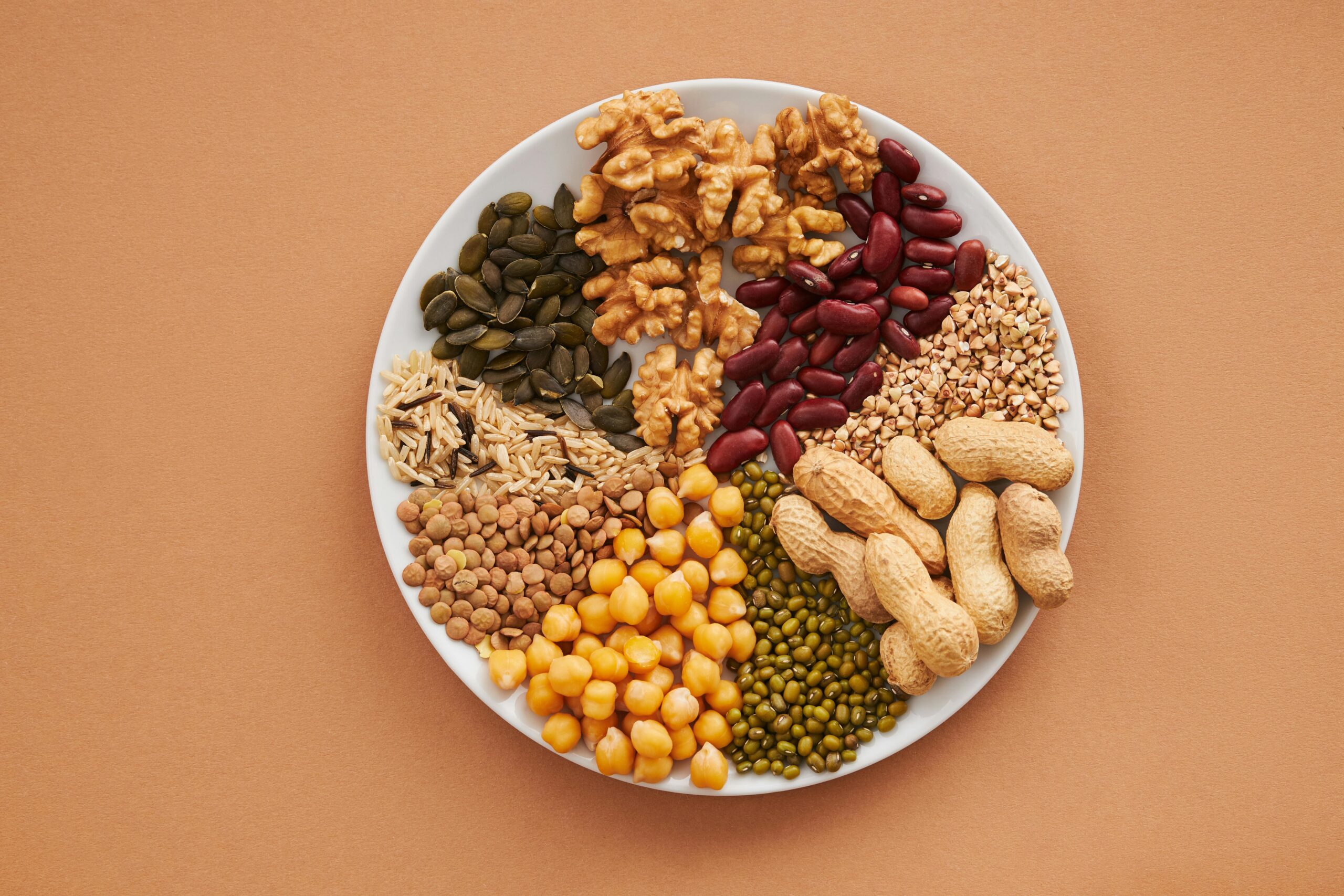
Dried beans, lentils, and peas represent perhaps the ultimate budget-friendly protein source. A one-pound bag of dried lentils costs approximately two dollars and provides about sixteen servings with roughly nine grams of protein each. This incredible value comes with added benefits of fiber, complex carbohydrates, and essential minerals.
Lentils cook quickly compared to other legumes, requiring no pre-soaking and becoming tender in just twenty to thirty minutes. Red lentils work beautifully in soups and curries, while green and brown varieties hold their shape well in salads and side dishes.
The Bean Variety Worth Exploring
Black beans excel in Latin American dishes and provide substantial protein alongside impressive fiber content. Chickpeas transform into hummus, roast into crunchy snacks, or bulk up salads and stews. Kidney beans work perfectly in chili and mixed bean salads. Split peas create hearty, protein-rich soups that cost mere pennies per serving.
Canned beans offer convenience when time matters more than minimal cost differences. Rinse them thoroughly to reduce sodium content by up to forty percent. Stock your pantry with both dried and canned varieties for maximum flexibility.
🍗 Chicken: Strategic Poultry Purchasing for Maximum Value
Chicken remains one of the most economical animal protein sources when purchased strategically. Whole chickens cost significantly less per pound than pre-cut pieces, and learning basic butchering skills takes only minutes while saving dollars on every purchase.
Bone-in, skin-on chicken thighs often cost half the price of boneless, skinless chicken breasts while providing richer flavor and staying moist during cooking. The bones and skin add minimal weight but contribute to cooking juiciness. After cooking, you can easily remove the skin if desired and use the bones for homemade stock.
Maximize Your Chicken Investment
Buy family packs when on sale and portion them at home for freezing. Each chicken carcass can produce four to six cups of nutritious broth, essentially giving you free soup base. Rotisserie chickens frequently cost less than raw whole chickens and provide fully cooked meat plus bones for stock.
🥫 Canned Fish: Shelf-Stable Protein Powerhouses
Canned tuna, salmon, sardines, and mackerel deliver exceptional protein content at budget-friendly prices. These shelf-stable options require no refrigeration until opened, preventing food waste from spoilage. They also eliminate preparation time, making healthy meals possible even on the busiest days.
Canned tuna in water provides about 25 grams of protein per five-ounce can at approximately one dollar. Salmon costs slightly more but includes beneficial omega-3 fatty acids and softer bones that provide calcium. Sardines and mackerel offer similar nutrition at even lower prices, though their stronger flavors require some palate adjustment.
Creative Ways to Enjoy Canned Fish
Mix canned fish with Greek yogurt instead of mayonnaise for lighter, protein-boosted salads. Add them to pasta dishes, top crackers for quick snacks, or incorporate them into fried rice. The versatility of canned fish makes them pantry essentials for budget-conscious healthy eaters.
🥛 Dairy Products: Protein-Rich and Wallet-Friendly
Greek yogurt contains approximately twice the protein of regular yogurt, with many store brands offering excellent quality at reasonable prices. A large container typically provides multiple servings at less than one dollar per serving of fifteen to twenty grams of protein.
Cottage cheese delivers similar protein content at comparable prices. Its mild flavor works equally well in sweet applications with fruit or savory dishes with vegetables and herbs. Both products offer probiotics that support digestive health alongside their impressive protein content.
Milk and Cheese Considerations
Regular milk provides eight grams of protein per cup at minimal cost. Buying larger containers reduces per-ounce pricing substantially. Hard cheeses like cheddar contain concentrated protein, though their higher calorie density means using them as accent ingredients rather than primary protein sources.
🌾 Whole Grains That Pack Protein Punch
While grains are primarily carbohydrate sources, certain varieties contribute significant protein to your diet. Quinoa technically qualifies as a seed but cooks like a grain and provides all nine essential amino acids, making it a complete protein source.
Oats contain more protein than most grains, with approximately six grams per half-cup of dry oats. Their low cost and incredible versatility make them valuable additions to budget protein strategies. Use them in traditional oatmeal, baked goods, homemade granola, or even savory applications.
Ancient Grains Worth Considering
Farro, barley, and bulgur wheat each contain moderate protein levels while adding textural variety to meals. They cost slightly more than rice but less than quinoa, offering middle-ground options that stretch food budgets while boosting nutrition.
🥜 Peanut Butter: Affordable Protein Spread
Natural peanut butter provides substantial protein at approximately eight grams per two-tablespoon serving. Large containers from warehouse stores offer the best value, and natural versions with just peanuts and salt avoid added sugars and oils.
Beyond sandwiches, peanut butter enhances smoothies, creates protein-rich sauces for noodles, improves oatmeal, and works beautifully in both sweet and savory cooking. Its long shelf life and zero preparation requirements make it ideal for quick protein additions.
🥩 Ground Meat: Stretching Animal Protein Further
Ground turkey and ground beef in higher fat percentages often cost less than premium lean versions. You can drain cooked meat to reduce fat content while maintaining the cost savings. Ground meat stretches further when combined with protein-rich beans or lentils in dishes like chili, tacos, or meat sauces.
Buying larger packages and dividing them into meal-sized portions for freezing provides better value. Ground meat cooks quickly and works in countless recipes across various cuisines, offering flexibility that helps prevent food boredom on tight budgets.
🛒 Strategic Shopping Tips for Maximum Protein Value
Shop seasonal produce and proteins that are naturally more abundant and therefore cheaper during specific times of year. Sign up for store loyalty programs that provide access to member-only discounts and digital coupons specifically for protein items.
Compare unit prices rather than package prices to identify true value. A larger package might seem expensive initially but cost significantly less per ounce. Store brands typically provide identical quality to name brands at substantially lower prices, especially for staples like eggs, dairy, canned goods, and frozen proteins.
Timing Your Protein Purchases
Many stores mark down meat, poultry, and fish nearing their sell-by dates, often by thirty to fifty percent. These items remain perfectly safe when cooked or frozen that same day. Shop early mornings or late evenings when markdowns typically occur.
Stock up during sales on freezer-friendly items like chicken, ground meat, and certain fish. Proper freezing maintains quality for months, allowing you to build a protein reserve when prices drop.
📱 Using Technology to Find Protein Deals
Several grocery apps help you track prices, find coupons, and identify the best deals on protein-rich foods. These digital tools can significantly reduce your grocery expenses while ensuring you never miss sales on your favorite items.
🍲 Meal Planning to Maximize Protein Budget
Planning weekly menus around protein sources currently on sale prevents impulse purchases and reduces waste. When chicken thighs are discounted, plan multiple meals using them in different preparations. This approach maintains variety while capitalizing on temporary price reductions.
Batch cooking protein-rich meals during less busy times creates ready-to-eat options that prevent expensive takeout temptations. Soups, stews, and casseroles often taste even better after flavors meld, and they freeze beautifully for future quick meals.
The Power of Protein-Forward Leftovers
Cook extra protein intentionally to use in different meals throughout the week. Grilled chicken from Monday becomes chicken salad on Tuesday and chicken quesadillas on Wednesday. This strategy reduces cooking time and energy costs while preventing food waste.
💪 Building Balanced Budget-Friendly Meals
Combine affordable protein sources with inexpensive vegetables and whole grains to create nutritionally complete meals. A dinner of lentil curry over rice with sautéed frozen vegetables costs approximately two dollars per generous serving while providing substantial protein, fiber, vitamins, and minerals.
Eggs with whole wheat toast and fruit create balanced breakfasts for less than one dollar. Tuna mixed with chickpeas, vegetables, and a simple vinaigrette over greens delivers restaurant-quality nutrition at a fraction of the cost.
🎯 Your Ultimate Affordable Protein Shopping List
Keep these budget-friendly protein staples on your regular shopping list to ensure you always have healthy options available:
- Eggs (buy the largest quantity you’ll use)
- Dried lentils (red, green, or brown varieties)
- Dried beans (black, pinto, kidney, or chickpeas)
- Canned tuna in water
- Whole chicken or chicken thighs
- Ground turkey or beef
- Greek yogurt (store brand)
- Cottage cheese
- Milk
- Natural peanut butter
- Oats (old-fashioned or steel-cut)
- Canned salmon or sardines
- Frozen fish fillets
- Quinoa or farro
- Tofu (if available affordably in your area)
🌟 Making Affordable Protein Work for Your Lifestyle
The key to sustainable healthy eating on a budget lies in consistency rather than perfection. You don’t need exotic superfoods or expensive supplements to meet your protein needs. Simple, affordable whole foods provide everything your body requires when chosen wisely and prepared thoughtfully.
Start by incorporating two or three budget-friendly protein sources into your current routine. As you become comfortable with preparation methods and flavor combinations, gradually expand your repertoire. This measured approach prevents overwhelm while building lasting healthy habits.
Remember that spending less on protein doesn’t mean compromising nutrition. Many of the healthiest populations throughout history built their diets around the same affordable proteins discussed here—beans, eggs, modest amounts of meat, and whole grains. You’re not settling for less; you’re choosing wisely.
Your journey toward budget-friendly protein power starts with your next shopping trip. Armed with this knowledge, you can confidently fill your cart with nutritious, affordable options that fuel your body without depleting your wallet. Healthy eating isn’t a luxury reserved for those with unlimited budgets—it’s an achievable goal for anyone willing to shop strategically and cook thoughtfully.