Managing groceries for a small household doesn’t have to be overwhelming. With the right approach and a simple planning system, you can save time, reduce waste, and keep your kitchen perfectly stocked without the stress.

Small households face unique challenges when it comes to grocery shopping. Unlike larger families, buying in bulk often leads to spoilage, and those “family-size” deals rarely make sense. The good news? A streamlined grocery list tailored to your needs can transform your shopping routine from chaotic to effortless. Let’s explore how to create the ultimate simple list that works specifically for households of one to three people.
Why Small Households Need a Different Approach 🏠
The traditional grocery shopping advice often caters to families of four or more. But when you’re shopping for yourself or just a couple of people, following those same strategies can lead to overbuying, wasted food, and unnecessary spending.
Small households typically consume food at a slower rate, which means fresh produce can spoil before you finish it. Bulk deals that seem economical often become expensive when half the food ends up in the trash. Additionally, limited storage space in smaller homes or apartments means you can’t stock up endlessly even if you wanted to.
The solution lies in adopting a more strategic, minimalist approach to grocery planning. This means buying smaller quantities more frequently, focusing on versatile ingredients, and maintaining a lean but functional pantry that supports your actual eating habits.
Building Your Essential Grocery Categories 📋
Creating an organized grocery list starts with understanding the key categories you need to cover. This framework ensures you never forget important items while avoiding impulse purchases that don’t serve your meal planning goals.
Fresh Produce: Quality Over Quantity
For small households, the produce section requires careful consideration. Instead of loading up on every vegetable that looks appealing, focus on purchasing smaller quantities of items you’ll definitely use within three to five days.
Prioritize versatile vegetables like onions, bell peppers, and leafy greens that work across multiple recipes. Consider purchasing pre-cut vegetables if they help you avoid waste, even if the per-unit cost is slightly higher. Sometimes paying a bit more for convenience prevents throwing away unused whole vegetables.
Fruits should follow the same principle. Buy what you’ll eat within a week, and consider mixing fresh fruit with frozen options that last longer and work perfectly for smoothies or cooking.
Proteins That Make Sense
Protein shopping presents particular challenges for small households. Large family packs of chicken or ground beef might offer savings, but only if you’ll use them before they spoil.
Smart strategies include buying smaller portions, choosing proteins that freeze well, or selecting items with longer shelf lives like eggs, canned fish, and legumes. Consider visiting the butcher counter where you can request exact portions rather than being forced into pre-packaged quantities.
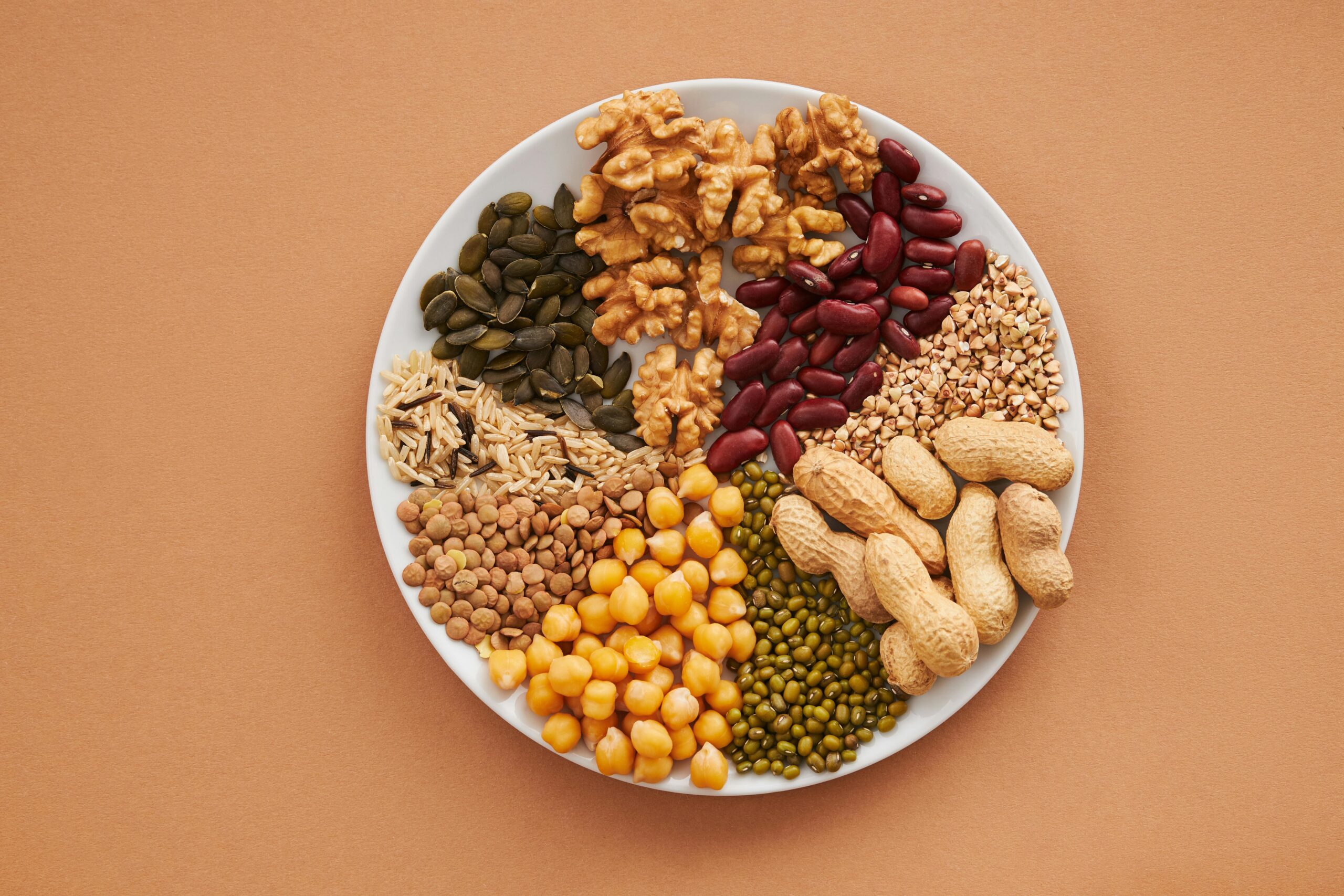
Plant-based proteins like beans, lentils, and tofu offer excellent value for small households because they’re shelf-stable, affordable, and incredibly versatile across different cuisines.
Pantry Staples for Flexibility
A well-stocked pantry is your secret weapon for effortless meal preparation. Focus on shelf-stable items that form the foundation of multiple meals without requiring constant replenishment.
Essential pantry items include various grains (rice, pasta, quinoa), canned goods (tomatoes, beans, broth), oils and vinegars, and basic spices. These ingredients allow you to create complete meals by adding just one or two fresh components.
The Simple List Template That Actually Works ✨
After understanding the categories, you need a practical template that makes shopping quick and efficient. This template adapts to your personal preferences while maintaining structure.
Start by creating a master list of items you regularly purchase, organized by store section. This reduces shopping time because you’re not zigzagging across the store or forgetting items. Update this master list on your phone or keep a paper version attached to your refrigerator.
Before each shopping trip, quickly review what you already have and circle or check only the items you need. This prevents duplicate purchases and ensures you’re buying based on actual needs rather than assumptions.
Weekly vs. Bi-Weekly Shopping Patterns
Small households often benefit from more frequent, smaller shopping trips rather than massive weekly hauls. A bi-weekly pattern for shelf-stable items combined with mid-week fresh produce runs can minimize waste while keeping variety in your meals.
Consider splitting your shopping into two categories: “stock-up items” that you buy every two weeks and “fresh replenishment” items you grab as needed. This approach reduces the burden of any single shopping trip while ensuring you always have fresh ingredients available.
Meal Planning Integration for Maximum Efficiency 🍽️
Your grocery list becomes exponentially more effective when connected to a simple meal plan. This doesn’t mean rigidly planning every meal in advance, but having a general framework for the week ahead.
Plan for three to five dinners per week, accounting for leftovers, eating out, or flexible nights when you’re not sure what you’ll want. This realistic approach prevents over-shopping while ensuring you have what you need for home-cooked meals.
Choose recipes that share common ingredients to reduce the total number of items on your list. If you’re buying fresh basil for one recipe, plan another meal that also uses basil so nothing goes to waste.
The Power of Flexible Ingredients
Certain ingredients work across multiple meal types and cuisines, making them especially valuable for small households. Eggs, for example, work for breakfast, lunch, dinner, and even baking.
Building your list around these multipurpose ingredients means fewer total items to purchase and track, yet more meal possibilities. Other flexible stars include chicken breast, canned beans, spinach, and potatoes.
Digital Tools That Simplify List Management 📱
While paper lists work perfectly fine, digital grocery list apps offer advantages like automatic categorization, sharing capabilities, and recipe integration that can streamline your planning process.
Many grocery planning apps allow you to create reusable templates, saving you from recreating your list each week. Some even remember which store aisles contain specific items, organizing your list for maximum shopping efficiency.
Choose tools that match your actual usage patterns. If you’re not going to regularly update a complex app with detailed meal plans, a simple note-taking app might serve you better than a feature-rich specialized tool.
Storage Solutions That Support Your System 🗄️
Effective grocery planning extends beyond the shopping trip into how you store and organize food at home. Proper storage prevents waste and helps you actually see what you have, which informs future shopping lists.
Invest in clear, stackable storage containers for pantry items. Being able to see at a glance that you’re running low on rice or pasta prevents both running out unexpectedly and buying duplicates.
Organize your refrigerator with a “first in, first out” approach. Place newer items behind older ones to ensure you use things before they spoil. Designate specific areas for different food types so you always know where to look.
The Freezer as Your Waste-Prevention Partner
For small households, the freezer deserves special attention as a tool for preventing waste. Portion and freeze items you won’t use immediately, from bread to cooked grains to chopped vegetables.
Keep a running inventory of what’s in your freezer, either on a list attached to the door or in your phone. This forgotten freezer food can become the basis for quick meals, reducing your need to shop for fresh ingredients constantly.
Money-Saving Strategies Without Bulk Buying 💰
Small households can absolutely save money on groceries without resorting to bulk purchasing that leads to waste. The key is understanding alternative strategies that work with your shopping patterns.
Focus on unit prices rather than total prices. Sometimes the smaller package actually offers better value when you factor in potential waste from a larger quantity you won’t finish.
Shop seasonal produce, which tends to be less expensive and higher quality. Build your meals around what’s currently abundant rather than forcing specific recipes that require out-of-season ingredients.
Store brands typically offer identical quality to name brands for significantly less money. Making this simple switch across your list can reduce your grocery bill by 20-30% without any change in what you’re actually eating.
Strategic Substitutions and Alternatives
Flexibility in your shopping approach opens opportunities for savings. If chicken breast is expensive this week but thighs are on sale, adjust your meal plan accordingly. Both proteins work in similar recipes with minor adaptations.
Learning which items you can substitute maintains variety while capitalizing on current prices. This adaptive approach requires a slightly more flexible meal planning mindset but pays dividends in reduced costs.
Adapting Your List to Different Household Types 👥
A household of one has different needs than a couple or a household with a college student who comes and goes. Your list should reflect these specific circumstances.
Solo dwellers benefit most from versatile ingredients, smaller portions, and items with longer shelf lives. Convenience items that prevent food waste (like pre-cut vegetables) make more financial sense when you’re cooking for one.
Couples might coordinate their lists based on different preferences or dietary needs, creating sections for shared items and personal preferences. This prevents buying foods that only one person will eat.
Maintaining Your System Long-Term 🎯
The most brilliant grocery planning system fails if you don’t maintain it consistently. Building sustainable habits ensures your list remains a helpful tool rather than another abandoned organizational attempt.
Set a specific time each week for list review and planning. Many people find success with a Sunday evening routine where they review what’s on hand, plan upcoming meals, and create their shopping list for the week ahead.
Regularly evaluate what’s working and what isn’t. If you consistently throw away certain items, stop buying them. If you constantly run out of something, add it to your master list as a regular purchase.
Keep your system simple enough that you’ll actually use it. A perfect but complicated system you abandon after two weeks is far less valuable than a basic approach you maintain consistently.
Seasonal Adjustments and Flexibility 🌱
Your grocery list shouldn’t remain static throughout the year. Seasonal changes affect both what’s available and what sounds appealing to eat, and your planning should reflect this natural variation.
Summer shopping might emphasize salads, fresh fruits, and lighter proteins, while winter naturally shifts toward hearty soups, roasted vegetables, and warming meals. Adjusting your list to match the season keeps your meals interesting and often more affordable.
Holiday periods require special consideration. Plan ahead for hosting occasions or adjust your list downward if you’ll be eating at others’ homes more frequently during celebration seasons.
Troubleshooting Common Small Household Challenges 🔧
Even with a solid system, certain challenges repeatedly affect small households. Recognizing and addressing these common issues prevents them from derailing your organizational efforts.
The “I bought this for one recipe” syndrome leaves you with partial packages of unusual ingredients. Combat this by choosing recipes that use common ingredients or planning multiple uses for specialty items before purchasing.
Decision fatigue about what to eat leads to impulse shopping or takeout. Having a loose meal framework reduces the mental burden of constant food decisions while maintaining flexibility.
Storage space limitations require creative solutions. Vertical organizers, door-mounted racks, and multi-purpose containers maximize limited pantry and refrigerator space.
Creating Your Personalized Shopping Routine 🛒
The ultimate goal is developing a grocery planning routine so natural it requires minimal conscious effort. This comes from repetition and refinement over time.
Start with the basic framework provided here, then customize based on your unique preferences, cooking style, and schedule. Some people thrive with detailed lists and strict plans, while others need flexibility and general guidelines.
Track your progress informally by noticing whether you’re throwing away less food, spending less time shopping, and feeling less stressed about meals. These real-world improvements matter more than perfectly following any system.
Remember that grocery planning for small households is ultimately about making your life easier, not adding another source of pressure. Keep your approach simple, stay consistent with the basics, and adjust as needed. With time, you’ll develop an effortless system that keeps you organized, saves money, and ensures you always have exactly what you need without excess waste or stress. The perfect grocery list isn’t about complexity—it’s about creating a sustainable routine that actually works for your real life and household size.