Keeping your pantry stocked with essentials doesn’t have to break the bank or feel overwhelming. Whether you’re working with a tight budget or ready to invest in premium ingredients, smart pantry management starts with understanding what you truly need.

The secret to a well-stocked pantry lies in balancing everyday staples with occasional splurges that elevate your cooking. From affordable basics that stretch your dollar to luxurious ingredients that transform ordinary meals into culinary experiences, every spending level deserves a thoughtfully curated pantry. Let’s explore how to build your perfect pantry arsenal, regardless of your budget constraints or culinary ambitions.
Understanding Your Pantry Priorities Before Shopping 🎯
Before diving into any pantry restock, assess what you actually use versus what simply collects dust. The foundation of smart pantry management begins with honest evaluation of your cooking habits, family size, and typical meal rotation. This prevents waste and ensures your investment—whether modest or generous—serves your lifestyle.
Consider your cooking frequency, dietary restrictions, and favorite cuisines. Someone who cooks Asian-inspired dishes weekly will prioritize different items than someone who primarily makes Mediterranean fare. Your pantry should reflect your reality, not Pinterest-perfect ideals that don’t match your actual cooking patterns.
Creating Your Pantry Inventory System
Take fifteen minutes to photograph or list everything currently in your pantry. Note expiration dates, quantities, and what you reach for most often. This snapshot reveals purchasing patterns and helps identify redundancies or gaps in your current stock.
Many people discover they have three partial bags of flour but no baking powder, or multiple specialty spices purchased for single recipes. This awareness prevents duplicate purchases and focuses your restocking efforts on genuine needs rather than impulse buys.
Budget-Friendly Pantry Essentials That Deliver Value 💰
Building a functional pantry on a budget requires strategic shopping and focusing on versatile staples. These affordable essentials form the backbone of countless meals and provide exceptional value per serving. Generic or store brands often match name-brand quality at significantly lower prices.
The Foundation: Grains and Legumes
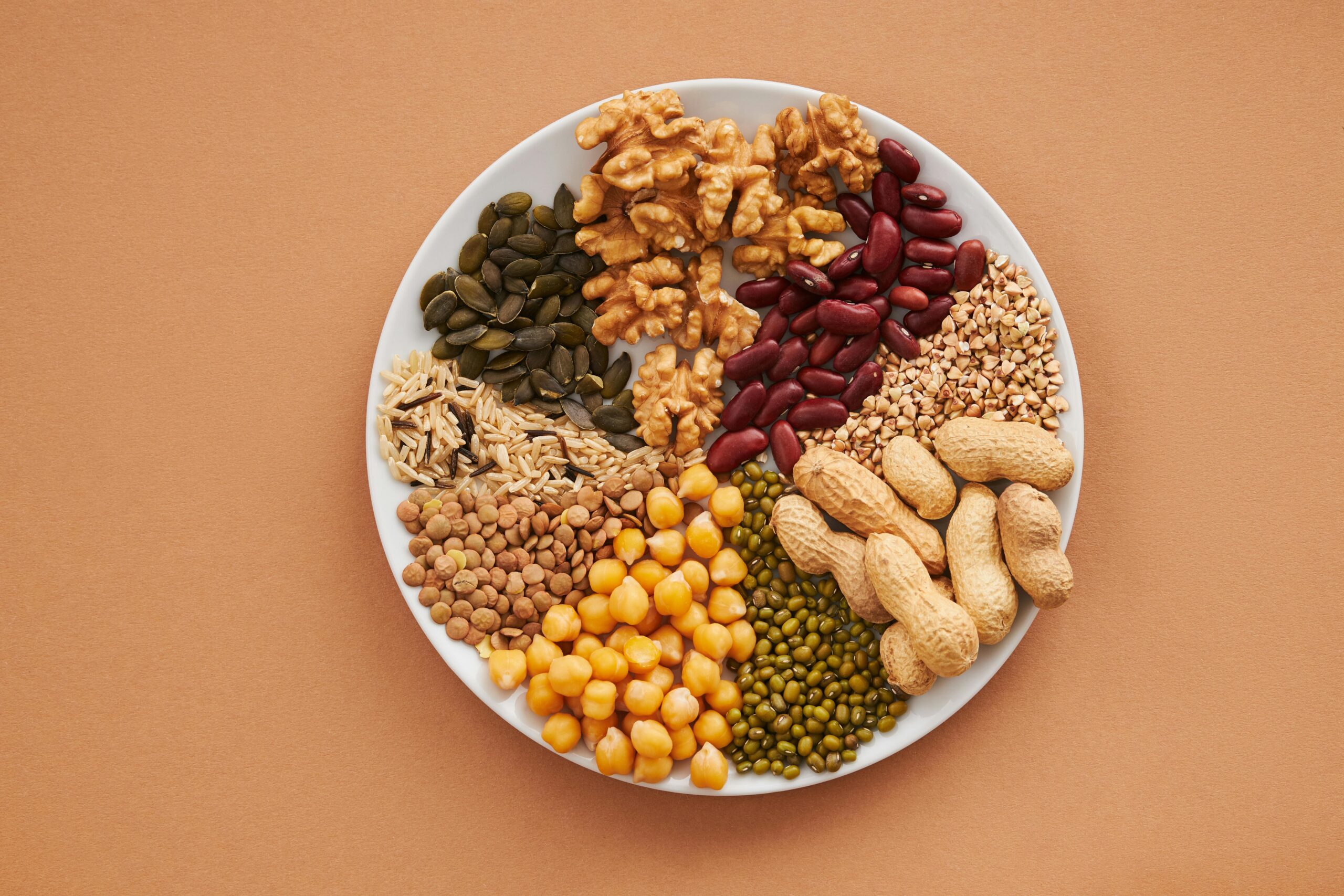
Rice, pasta, dried beans, and lentils represent some of the most budget-friendly protein and carbohydrate sources available. A single bag of dried beans costs less than a can but yields multiple servings. Brown rice, white rice, and various pasta shapes provide meal variety without straining your wallet.
Oats deserve special mention as an incredible value item—they work for breakfast, baking, and even as breadcrumb substitutes. Buy the large container rather than individual packets to maximize savings. A five-pound bag of flour costs mere dollars but enables hundreds of biscuits, pancakes, or homemade bread loaves.
Affordable Flavor Builders
Generic salt, pepper, garlic powder, and onion powder form your essential spice quartet. These four seasonings appear in virtually every cuisine and enhance nearly any savory dish. Add paprika, cumin, and dried oregano to expand your flavor profile without significant expense.
Vegetable or canola oil serves as your budget-conscious cooking fat, suitable for everything from sautéing to baking. White vinegar and basic soy sauce add acidity and umami without premium price tags. Bouillon cubes or powder create flavorful broths for pennies compared to boxed versions.
Budget Canned and Jarred Goods
Store-brand canned tomatoes, tomato paste, and beans provide convenience without compromising quality. Peanut butter offers protein and satisfaction at minimal cost. Basic mustard and mayonnaise create dressings, sauces, and sandwich spreads efficiently.
Generic pasta sauce costs half the name-brand price and tastes virtually identical once heated with additional seasonings. Canned tuna and chicken extend your protein options when fresh meat exceeds your budget. White sugar and brown sugar enable desserts and balance savory dishes for just dollars per pound.
Mid-Range Pantry Upgrades Worth the Investment 🌟
Once basics are covered, strategic mid-range purchases elevate your cooking without entering luxury territory. These items offer noticeable quality improvements or specialized functions that budget options cannot replicate effectively.
Better Oils and Vinegars
Extra virgin olive oil transforms salads and finishing dishes with its fruity complexity. While not necessary for high-heat cooking, having one good bottle for raw applications makes significant difference. Balsamic vinegar adds sophisticated sweetness to dressings and reductions that white vinegar cannot match.
Toasted sesame oil provides authentic Asian flavor in stir-fries and marinades with just drops needed per dish. Avocado oil handles high-heat cooking better than cheaper alternatives while offering neutral flavor. These specialized oils last months when used appropriately, making them worthwhile mid-tier investments.
Quality Spices and Seasonings
Whole spices that you grind yourself—like peppercorns, cumin seeds, and coriander—deliver dramatically better flavor than pre-ground versions. A basic spice grinder or mortar and pestle unlocks this upgrade path affordably. Vanilla extract rather than imitation vanilla produces noticeably superior baked goods.
Better quality curry powder, chili powder, or Italian seasoning blends contain more actual herbs and less filler. Smoked paprika adds depth impossible with regular paprika. Real maple syrup outperforms pancake syrup significantly, and a single bottle lasts months for most households.
Specialty Staples That Earn Their Keep
Coconut milk opens entire categories of curries and Southeast Asian dishes. Better quality canned tomatoes—like San Marzano or fire-roasted varieties—create noticeably superior sauces. Tahini enables hummus and dressings while lasting indefinitely in your refrigerator.
Panko breadcrumbs create crispier coatings than regular breadcrumbs. Dijon mustard offers complexity beyond yellow mustard. Capers, though seemingly fancy, cost just a few dollars and transform pasta dishes and chicken preparations with their briny punch.
Splurge-Worthy Pantry Items for Culinary Excellence ✨
Premium pantry items represent investments in exceptional meals and cooking enjoyment. These splurges aren’t necessary for survival but dramatically enhance your culinary capabilities and dining pleasure when budget permits.
Luxury Oils and Vinegars
Estate-bottled extra virgin olive oil from specific regions delivers complex flavors worth savoring over quality bread or simple pasta. Aged balsamic vinegar from Modena provides syrupy richness that cheap versions cannot approximate. Truffle oil—used sparingly—adds instant luxury to eggs, pasta, and popcorn.
Walnut oil and hazelnut oil create restaurant-quality salads and desserts. High-quality aged sherry vinegar brings sophistication to vinaigrettes and pan sauces. These premium bottles should be finishing oils, drizzled raw to showcase their distinctive characteristics rather than wasted in high-heat applications.
Artisan and Imported Staples
Italian imported pasta made from bronze dies has texture that holds sauce better than standard pasta. Arborio or Carnaroli rice creates authentic risotto impossible with regular rice. Spanish or Portuguese tinned fish—sardines, mackerel, octopus—offer gourmet experiences straight from the can.
Authentic Parmigiano-Reggiano cheese costs significantly more than pre-grated “parmesan” but delivers incomparable flavor and melting qualities. French sea salt or Himalayan pink salt provide mineral complexity for finishing dishes. Quality dark chocolate with high cacao percentage transforms baking and snacking experiences.
Premium Condiments and Specialty Items
Aged soy sauce or tamari offers depth that standard soy sauce lacks. Harissa paste, miso paste, and gochujang open authentic flavor profiles for North African, Japanese, and Korean cuisines. Real fish sauce creates umami foundation in Southeast Asian cooking that substitutes cannot match.
Preserved lemons, quality anchovies, and imported olives deliver restaurant-level flavor complexity. Vanilla bean paste or whole vanilla beans provide pure vanilla essence for special baking projects. Saffron remains expensive but transforms paella, risotto, and bouillabaisse with its unique flavor and color.
Strategic Shopping: Making Every Dollar Count 🛒
Regardless of budget level, smart shopping strategies maximize pantry value. Buying strategies matter as much as product selection when building your ideal pantry across spending levels.
Bulk Buying and Storage Solutions
Purchase frequently used items in larger quantities when possible. Rice, beans, flour, and sugar cost significantly less per pound in bulk sizes. Ensure proper storage in airtight containers to prevent spoilage and pest issues that waste your investment.
Warehouse clubs offer excellent value on pantry staples if you have storage space and will use quantities before expiration. Split bulk purchases with friends or family if full quantities exceed your needs. Proper storage containers pay for themselves by extending shelf life and maintaining quality.
Timing and Sales Optimization
Stock up on non-perishable favorites during sales, building inventory when prices drop. Many stores discount baking supplies before holidays and canned goods seasonally. Price-matching and store loyalty programs provide additional savings without extra effort.
End-of-season sales offer opportunities for themed ingredients—barbecue supplies in fall, baking items after holidays. Generic or store brands frequently go on sale, making already affordable items even cheaper. Track prices on items you buy regularly to recognize genuine deals versus fake “sales.”
Quality Versus Quantity Decisions
Sometimes buying one premium item provides more satisfaction than multiple mediocre versions. A small bottle of excellent olive oil used mindfully delivers better results than a large bottle of poor quality that disappoints every time. Consider cost per use rather than just sticker price.
Conversely, some expensive items offer minimal improvement over mid-range alternatives. Blind taste tests reveal that many people cannot distinguish premium from standard versions of certain products. Focus your splurges where differences genuinely enhance your cooking and eating pleasure.
Organizing Your Pantry for Maximum Efficiency 📦
Even perfectly selected pantry items become useless if you cannot find or access them easily. Organization systems prevent waste, enable meal planning, and ensure you actually use what you purchase across all price points.
Visibility and Accessibility Systems
Store items you use most frequently at eye level and within easy reach. Place specialty or occasional-use ingredients on higher or lower shelves. Clear containers let you see quantities at a glance, preventing both running out and buying duplicates.
Group similar items together—all baking supplies in one zone, Asian ingredients in another, breakfast items together. This categorization speeds meal preparation and helps identify when categories need restocking. Lazy Susans work excellently for corralling oils, vinegars, and small bottles.
Rotation and Expiration Management
Practice “first in, first out” rotation, placing new purchases behind existing stock. Label items with purchase dates if original packaging lacks them. Check expiration dates quarterly and move soon-to-expire items to the front for priority use.
Many dried goods remain safe well beyond printed dates but may lose potency. Spices lose flavor after a year; taste before using in important dishes. Properly stored rice, beans, and pasta last years, while oils and nuts have shorter shelf lives due to fat content.
Building Your Pantry Over Time Rather Than Overnight 🕐
Nobody builds a complete pantry in a single shopping trip. Strategic gradual accumulation proves more sustainable financially and prevents overwhelming yourself with unfamiliar ingredients sitting unused.
The Starter Pantry Approach
Begin with absolute essentials for your most common meals. Add one or two new items weekly as budget permits. This measured approach lets you learn each ingredient properly before adding more complexity to your pantry.
Focus first on items you will definitely use multiple times weekly. After basics are solid, expand into specialty ingredients for specific cuisines or techniques you want to explore. This prevents the common trap of buying exotic ingredients for single recipes that then expire unused.
Upgrading Gradually Across Budget Levels
As budget increases, upgrade one category at a time rather than everything simultaneously. Perhaps replace standard olive oil with better quality this month, then upgrade vinegar next month. Gradual transitions help you appreciate quality differences and decide which upgrades matter most to your palate.
This approach also prevents waste—finish the economy version before buying premium, ensuring nothing spoils unused. You may discover that certain upgrades matter tremendously to you while others provide minimal noticeable benefit, allowing strategic splurge allocation.
Pantry Essentials for Different Cooking Styles 🍳
Your ideal pantry varies based on your cooking preferences and dietary approaches. While core staples remain consistent, specialized cooking styles require specific ingredients at various price points.
Baking-Focused Pantry Priorities
Regular bakers need multiple flour types, leaveners, and sweeteners. Budget bakers prioritize all-purpose flour, baking powder, baking soda, and white and brown sugars. Mid-range additions include bread flour, cake flour, real vanilla extract, and quality cocoa powder.
Splurge-worthy baking items include premium chocolate, vanilla beans, specialty flours like almond or coconut, and European-style butter. These elevate special occasion baking while everyday cookies work fine with budget ingredients.
International Cuisine Essentials
Home cooks focusing on specific cuisines should prioritize those flavor profiles. Italian cooking requires quality pasta, canned tomatoes, olive oil, and parmesan. Asian cuisines need soy sauce, rice, sesame oil, and rice vinegar at minimum.
Mexican cooking relies on dried chiles, cumin, beans, and corn products. Indian cuisine requires extensive spice collections. Build these specialized pantries gradually, starting with budget-friendly basics and upgrading key items as you develop expertise and refined palates.
Maximizing Pantry Value Through Creative Use 💡
The best-stocked pantry provides value only when you actually cook with it. Learning to use what you have creatively prevents waste and maximizes your investment across all spending levels.
Flexible Recipe Adaptation
Most recipes allow substitutions based on what you have available. Understanding ingredient functions—acidity, fat, protein, seasoning—enables smart swaps that use your pantry effectively without constant shopping trips. Lemon juice substitutes for vinegar, yogurt for sour cream, and dried herbs for fresh in most applications.
Learn basic ratio cooking for foods like rice, beans, and simple sauces. This knowledge lets you prepare meals from pantry staples without recipes, reducing dependence on specific ingredients you may lack. Flexibility maximizes what you already own before buying more.
Reducing Waste and Stretching Ingredients
Use every bit of expensive ingredients—lemon zest before juicing, parmesan rinds for soup, and anchovy oil for dressings. Make breadcrumbs from stale bread, croutons from day-old baguettes, and stocks from vegetable scraps. These practices honor your investment regardless of original cost.
Proper storage extends ingredient life significantly. Transfer opened packages to airtight containers, refrigerate items like nuts and whole grain flours, and freeze extras before they spoil. These small efforts prevent wasting money on replacements for prematurely spoiled items.

Your Personalized Pantry Plan: Taking Action Today 🎯
The perfect pantry is deeply personal, reflecting your budget, cooking style, and household needs. Start where you are financially and culinarily, then build systematically toward your ideal setup over time.
Begin by ensuring you have functional basics, then gradually add items that genuinely expand your cooking capabilities or improve your meals noticeably. Skip ingredients that sound impressive but do not match your actual cooking patterns—even at budget prices, unused food represents wasted money.
Remember that pantry building is never truly finished. As your skills develop and tastes evolve, your pantry will shift to reflect these changes. The journey from budget basics to selective splurges happens naturally as you discover which upgrades matter most to your cooking satisfaction and which provide minimal return on investment.
Whether you are working with twenty dollars or two hundred for your pantry restock, smart choices exist at every price point. Focus on versatile ingredients you will actually use, store them properly to maximize shelf life, and cook creatively with what you have. This approach builds a pantry that serves you well regardless of your spending level, turning everyday ingredients into satisfying meals and occasional splurges into memorable culinary experiences. Your kitchen success depends less on having everything than on having the right things for your life, your budget, and your cooking reality.